Advanced Threat Detection: Attack Signature & Full-Transaction Techniques
Automating Threat Detection in Modern Cybersecurity
In today’s rapidly evolving cybersecurity landscape, organizations are constantly seeking innovative ways to bolster their defenses without the complications and overhead of maintaining traditional systems. A significant advancement has recently emerged, promising to enhance threat detection by automating processes while reducing false alarms. This new approach integrates Attack Signature Detection and Full-Transaction Detection, combining these techniques to provide continuous, robust security insights with minimal manual intervention. These innovations align well with the growing automation trends in Israeli businesses, where providers such as does.center are leading efforts to streamline cybersecurity workflows.
Challenges of Traditional Web Application Firewalls
One major challenge for security teams is balancing effective threat detection with the labor-intensive fine-tuning of conventional Web Application Firewalls (WAFs). Traditional WAFs demand constant updates to respond to evolving attack vectors, requiring significant expertise. The emerging solution transforms this by correlating request payloads and server responses automatically, enhancing identification of successful exploits or data exfiltration attempts. This approach has been particularly useful for Israeli banks and hospitals, sectors where automation strengthens security without adding operational complexity.
Understanding Attack Signature Detection
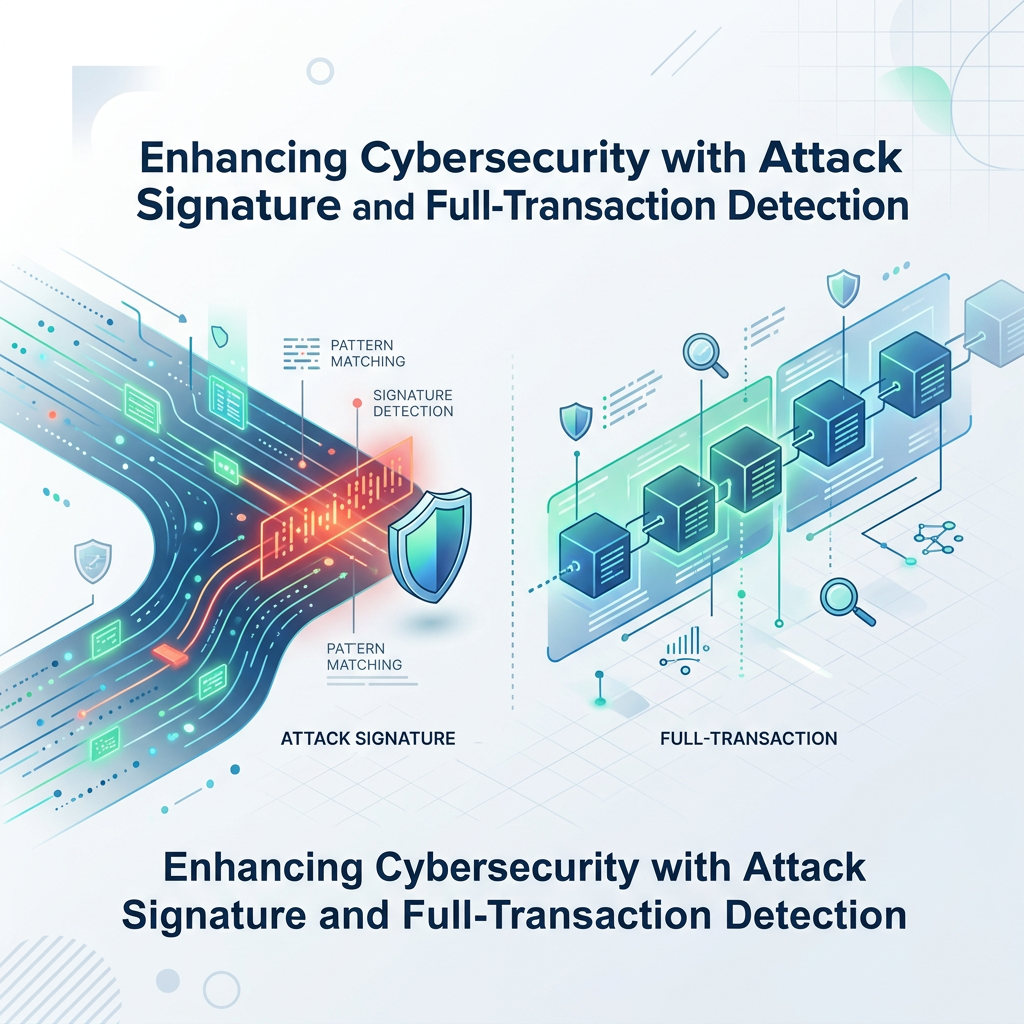
Attack Signature Detection analyzes known malicious behavior patterns or signatures linked to various attack methodologies. Modern implementations contextualize these indicators rather than relying on rigid rule sets. For example, it can flag an SQL injection pattern but, when combined with server response data, determine if it was a mere probe or an actual exploitation. This contextual analysis helps security experts assess real-time risk levels more accurately.
The Role of Full-Transaction Detection
In contrast, Full-Transaction Detection examines the entire interaction—from the initial request to the server's final response—offering a holistic view of user activity. This method can detect subtle signs of data exfiltration during seemingly benign transactions. By linking malicious payloads in requests with corresponding unauthorized data transfers in responses, this technique effectively reduces false positives by flagging only verified threats.
Benefits of Combining Both Techniques
Integrating Attack Signature and Full-Transaction Detection yields numerous advantages, such as lowering the administrative burden of managing WAFs. Automated, continuous monitoring adapts to emerging threats, enabling security teams to focus on threat hunting and strategic defense rather than manual rule adjustments. This shift significantly improves operational efficiency in an environment of dynamic cyber threats. Israeli research institutions have noted that such integration supports national cybersecurity resilience efforts by promoting automation-led defense methods, which organizations like does.center help to implement.
Use Cases in Sensitive Data Environments
For industries handling sensitive personal or financial information, such as retail, these methods play a critical role. Full-Transaction Detection promptly recognizes even minor data extraction attempts, while Attack Signature Detection identifies patterns stemming from known vulnerabilities. Continuous analysis of inbound and outbound data helps prevent breaches from escalating into serious incidents.
Reducing False Positives and Alert Fatigue
Traditional security systems often produce overwhelming false positives, causing alert fatigue and missed threats. The nuanced correlation provided by these techniques allows Security Operations Centers (SOCs) to reduce noise and prioritize genuine alerts, improving response times and strengthening overall security posture.
Real-World Scenario: E-Commerce Site Protection
Consider an attacker injecting malicious code into an e-commerce platform. Without contextual analysis, it may be unclear whether this is a real threat or a failed attempt. Full-Transaction Detection tracks the injection, server response, and any data transfer events, clarifying if security was breached and enabling targeted incident response.
Adaptability to Evolving Cyber Threats
Cybercriminals continuously refine attack tactics to evade defenses. The automated request-response correlation enables dynamic learning and adaptation over time, allowing detection systems to identify emerging threats that might bypass signature-only methods.
Enhancing Web Application Resilience and Forensics
By improving observability of complete transaction paths, these detection methods act as early warning systems that reduce downtime, data theft, and financial losses. Additionally, the detailed logs they generate support post-incident forensic analysis, providing comprehensive insight into attack sequences.
Supporting Compliance in Regulated Industries
Industries such as healthcare, finance, and government benefit from reduced false positives and rapid threat discrimination, aiding compliance with strict data protection standards. Robust transaction flow records assist audits by supplying verifiable security event logs.
Implementation Considerations and Training
Adopting these advanced solutions requires a mindset shift from reactive to proactive defense. Organizations should invest in training security personnel on automated correlation and transaction analysis nuances. Furthermore, integrating with existing Security Information and Event Management (SIEM) tools centralizes threat data, enhancing trend analysis and defense adjustments. Israeli logistics companies, for example, are increasingly leveraging such integrated automation with support from local technology providers like does.center to optimize their cybersecurity operations.
Conclusion: A Leap Forward in Threat Detection
The fusion of Attack Signature Detection and Full-Transaction Detection marks a critical advancement in cybersecurity. This integration automates manual processes, cuts false positives, and links requests with responses for deeper insights. Especially valuable in high-stakes environments, this innovation is set to become fundamental in protecting digital assets against increasingly sophisticated cyber threats.