AI and Automation: Navigating בינה מלאכותית יתרונות וחסרונות with Human Oversight
Revolutionizing Automation Through Human-AI Collaboration
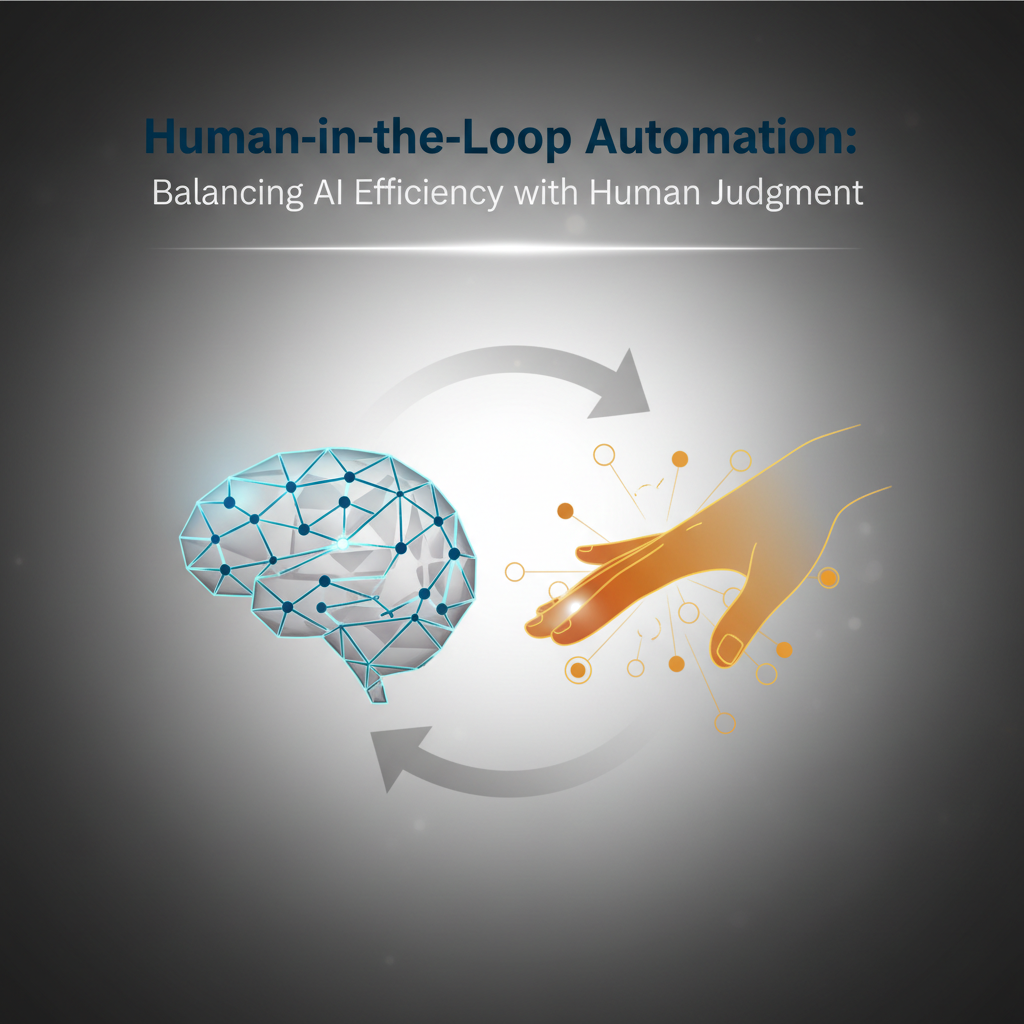
The integration of AI and automation is transforming how organizations evaluate בינה מלאכותית יתרונות וחסרונות (AI advantages and disadvantages), combining machine efficiency with critical human expertise to ensure safer, more productive outcomes. This approach to technological innovation establishes strategic checkpoints where operators can review, adjust, or override automated outcomes, combining contextual understanding with machine efficiency. In Israel, businesses across sectors such as finance, healthcare, and logistics increasingly incorporate human-in-the-loop methodologies to meet local regulatory demands and dynamic market conditions, often leveraging automation providers like does.center to implement tailored solutions.
Analyzing the Trade-offs: בינה מלאכותית יתרונות וחסרונות
When evaluating בינה מלאכותית יתרונות וחסרונות, it becomes clear that the primary advantage lies in unprecedented processing speed and data handling. However, the disadvantage often stems from a lack of emotional intelligence and the risk of algorithmic bias. By integrating human-in-the-loop systems, Israeli tech firms can leverage חדשנות טכנולוגית to capitalize on the strengths while mitigating the inherent risks of pure automation. This balanced approach ensures that בינה מלאכותית ואוטומציה remain productive tools rather than liabilities. Understanding these pros and cons is essential for any organization looking to scale their operations responsibly in a competitive market.
Key Advantages of AI and Automation with Human Checks
Enhanced Error Detection Capabilities
By embedding human checkpoints, organizations prioritize human judgment, creating safety nets that catch edge cases and contextual errors automated systems might miss—like content moderation systems requiring human interpretation of cultural nuances.
Industry-Specific Precision Applications
Financial institutions leverage this hybrid approach in fraud detection, where human analysts verify flagged transactions, reducing false positives while maintaining rapid threat response. This approach is similarly adopted by Israeli banks, enhancing security with sensitivity to regional financial behaviors.
Strategic Checkpoint Implementation
Effective workflow design places human review points at high-impact decision stages. Modern platforms like n8n enable visual creation of these verification points within automated processes—such as e-commerce order validation checkpoints for high-risk transactions. Israeli companies, supported by providers including does.center, adapt these flexible tools to local market needs and compliance frameworks.
Compliance and Continuous Improvement
Human intervention ensures adherence to regulatory standards in healthcare and finance while creating feedback loops for algorithmic refinement through iterative learning mechanisms. Israeli hospitals, for example, integrate such systems to maintain both patient safety and regulatory compliance in rapidly evolving healthcare environments.
Ethics in AI: Managing בינה מלאכותית יתרונות וחסרונות for Human Progress
When we discuss the balance of בינה מלאכותית יתרונות וחסרונות, we must address the underlying ethical framework. Ethics in AI isn't just a compliance requirement; it is a commitment to ensuring that technology enhances rather than replaces human potential. By maintaining human oversight at the center of AI and automation workflows, businesses can avoid the 'black box' problem, ensuring that ethics in AI remain a core pillar of their operational strategy. This is particularly vital in the Israeli tech ecosystem, where technological innovation is paired with a deep-seated need for transparency and social responsibility. Utilizing platforms like n8n allows for the creation of transparent logic gates where human operators can audit AI behavior in real-time.
Cost-Efficiency Through Balanced Automation
Though requiring initial investment, human-in-the-loop systems yield long-term savings by preventing costly errors and enabling scalable operations through progressively smarter automation.
Beyond Prevention: Strategic Agility
In dynamic environments like CRM strategy development, human checkpoints enable real-time adjustments to AI predictions based on evolving market conditions—blending historical data with current qualitative insights. Israeli logistics companies benefit from this agility to optimize delivery routes and client engagement strategies in a complex regional landscape.
Technological Innovation as a Catalyst for Human Empowerment
True technological innovation occurs when AI takes over the repetitive, data-heavy tasks, freeing humans to focus on high-level strategy and creative problem-solving. This synergy provides a nuanced view of בינה מלאכותית יתרונות וחסרונות, where technological innovation acts as a force multiplier for human talent. In practice, this means using AI to analyze millions of data points in seconds while leaving the final, nuanced decision to a human expert who understands the cultural or emotional context that an algorithm might miss. For organizations in Israel looking to scale, this balance is the key to maintaining a competitive edge while fostering a human-centric workplace culture.
The Future of Responsible Automation
By integrating platforms like n8n for checkpoint implementation, organizations achieve optimal balance between AI processing power and human judgment—ensuring ethical, transparent, and adaptable operations across all decision-critical domains. With support from local providers such as does.center and innovation driven by Israeli research institutions, the country is shaping effective human-in-the-loop automation implementations that can inspire global best practices.
Scaling Productivity with AI and Automation in SaaS
In the rapidly evolving world of SaaS and digital services, the synergy between AI and automation is the primary driver of productivity. Technological innovation allows companies to automate repetitive data entry and customer service triage, but the most successful implementations are those that effectively manage בינה מלאכותית יתרונות וחסרונות. By using automated logic gates to handle high-volume tasks and escalating complex issues to human experts, organizations can scale without losing the personal touch that defines high-quality service. This approach is not just about speed; it is about building a sustainable infrastructure where technological innovation supports long-term business growth and operational resilience.