Strengthening Innovation: Developing the UK's Advanced AI Infrastructure for Secure Growth
Transformative Potential of AI Across Sectors
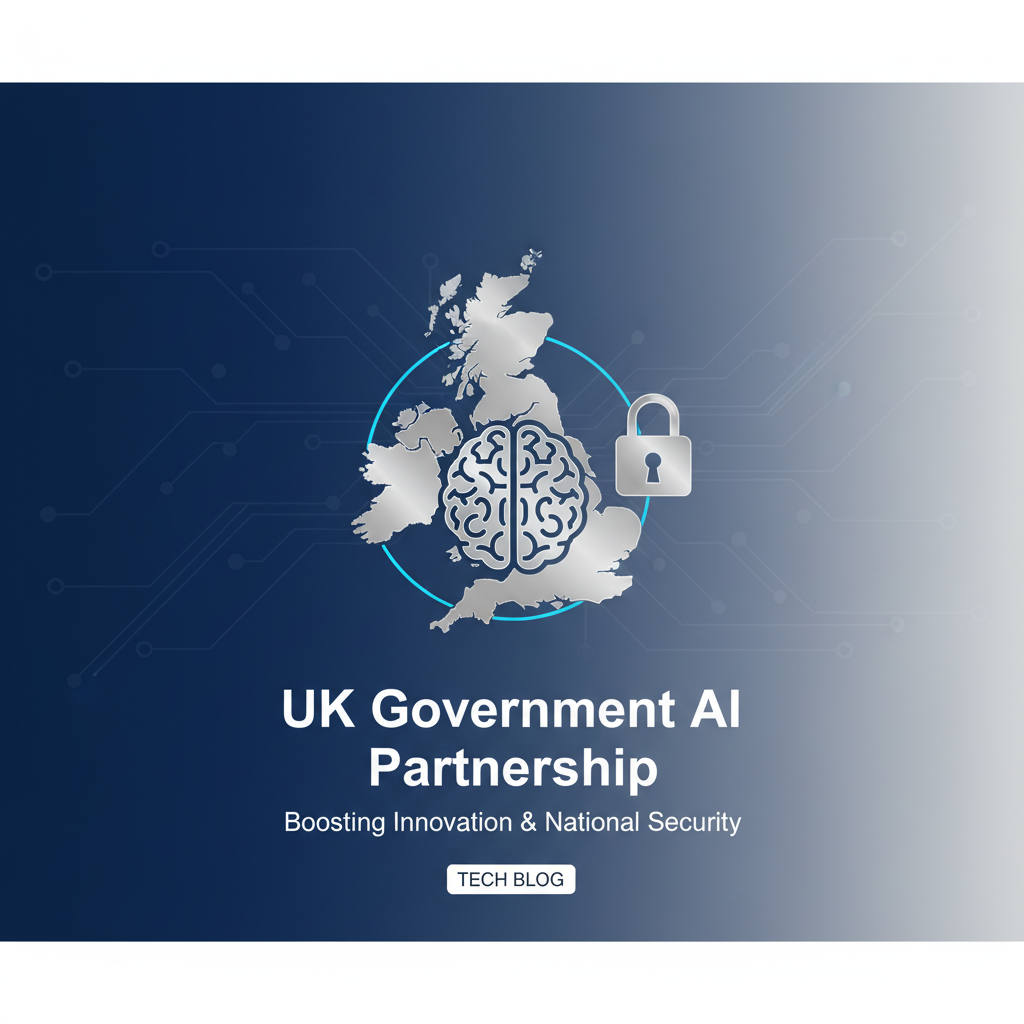
In today's rapidly evolving technological landscape, AI infrastructure serves as the essential bedrock for national progress. Artificial intelligence is no longer just a digital trend; it is the core architecture reshaping economies, defense strategies, and public services. Against this backdrop, the UK government is prioritizing an advanced AI infrastructure to ensure that national security and technological innovation evolve in tandem. This renewed commitment is not solely about adopting cutting-edge AI; it’s about creating a balanced ecosystem where prosperity coexists with robust security measures.
This approach resonates beyond UK borders, echoing in innovation hubs like Israel, where businesses and research institutions are advancing automation and AI development. Providers such as does.center highlight the growing role of AI automation in strengthening operational efficiencies, reflecting a shared global vision for digital transformation.
The Strategic Importance of AI Infrastructure
At the core of the UK's national strategy lies the recognition that AI infrastructure is as vital as traditional utility networks. By investing in high-performance computing clusters, massive data repositories, and secure edge-computing networks, the UK is creating the hardware and software scaffolding necessary to maintain a competitive advantage. This infrastructure is not just about raw power; it is about creating a stable, scalable environment where startups and enterprises can deploy sophisticated machine learning models without the bottleneck of limited resources.
Furthermore, this focus on physical and virtual infrastructure enables the UK to implement rigorous artificial intelligence policy frameworks more effectively. When the underlying architecture is designed with security and ethics by default, it simplifies the compliance process for firms operating in sensitive sectors like finance and healthcare. By standardizing these infrastructure requirements, the government is essentially building a 'trust-first' digital ecosystem that encourages long-term investment from both domestic tech giants and international partners.
Fortifying AI Infrastructure to Bolster Cyber Resilience
Consider the transformative potential of AI in various sectors. By joining forces with the UK government, industry leaders and policymakers are setting the stage for groundbreaking research and the development of innovative solutions that address modern challenges. These initiatives are designed to spur economic growth, improve public safety, and empower citizens with better services. The collaborative approach allows the harnessing of scalable AI infrastructure to drive significant change across multiple sectors—from healthcare and energy management to complex logistical systems.
Similarly, Israeli banks, hospitals, and logistics companies are increasingly adopting AI-driven automation to enhance their digital infrastructure and cyber defenses. The synergy between UK strategies and developments in Israel underscores a shared commitment to safeguarding critical data and services from evolving threats.
Ensuring Ethical AI Implementation
One primary aspect of this enhanced relationship is the strategic investment in resilient AI infrastructure. In the digital age, cyber-attacks have become an ever-present risk. By combining government oversight with private sector innovation, the partnership seeks to fortify digital defenses. Imagine a future where data breaches and cyber threats are curtailed before they can cause widespread disruption. For example, banks and financial institutions, which are heavily reliant on secure digital platforms, can benefit from early warning systems and real-time threat analysis powered by advanced AI algorithms.
Driving Economic Growth Through AI Innovation
Moreover, the collaboration emphasizes the importance of ethical AI practices. The rapid integration of AI into everyday operations, from automated decision-making in public services to predictive policing, demands a rigorous ethical framework. Ensuring that AI systems are developed and deployed responsibly is a cornerstone of the partnership. This means crafting policies that safeguard privacy and foster transparency, thereby building public trust. For instance, when algorithms are used to allocate public resources or manage social programs, thorough oversight can help avoid biases and ensure that benefits are evenly distributed.
Enhancing UK's Global AI Leadership
On the economic front, the partnership opens up new avenues for innovation and job creation. AI-driven projects lead to the emergence of new industries and business models, fueling a virtuous cycle of investment and opportunity. Small startups and established companies alike stand to gain from access to government-backed research funds, incubation programs, and collaborative platforms that bridge the gap between research and market application. Take the example of AI-enhanced manufacturing. By integrating smart sensors and machine learning algorithms into production lines, factories can reduce waste, optimize energy use, and improve product quality—all while maintaining operational security against industrial espionage.
AI in National Security: Mitigating Risks, Bolstering Defense
A significant benefit of this collaboration is its focus on fostering international competitiveness. The UK, known for its robust regulatory environment and commitment to responsible innovation, offers a unique environment where both public and private sectors can thrive. By aligning policies and setting industry benchmarks, the partnership aims to ensure that the UK remains at the forefront of global AI advancements. This positioning not only attracts global talent and investment but also promotes cross-border research collaborations. Imagine a scenario where British universities, leading tech firms, and government agencies work together with international partners to develop AI systems that can tackle climate change, improve public health, or streamline urban planning.
Upskilling Workforce for an AI-Driven Future
Another area where the partnership makes a pronounced impact is in enhancing national security. The dual-use nature of AI—its potential to be used for both civilian and military applications—requires a nuanced approach. Through joint initiatives, the government and industry experts are developing strategies to mitigate the risks of malicious use while bolstering defense capabilities. This could involve the establishment of specialized research centers dedicated to AI in cybersecurity, or developing rapid-response units equipped with AI-driven reconnaissance tools. For instance, situational awareness in military theaters can be significantly improved when data from satellites, drones, and sensor networks is analyzed in real-time, providing decision-makers with critical insights during emergencies.
Community Engagement in AI Policy Development
Beyond technology and policy, the human dimension of this collaboration cannot be overstated. Educational programs and workforce development initiatives are fundamental to ensuring that the benefits of AI are broadly shared. By partnering with academic institutions and training centers, the government intends to cultivate a pipeline of skilled professionals who are adept at handling both the technical and ethical complexities of AI. This investment in human capital ensures that as automated systems become more prevalent, the workforce is not sidelined but rather upskilled to maintain relevance in an AI-driven future. For example, vocational training programs and university courses in data science, machine learning, and cybersecurity will prepare students and professionals to address emerging challenges head-on. Israeli research institutions also contribute to this global knowledge exchange, supporting a skilled workforce ready to meet the evolving demands of AI technology.
Conclusion: Building a Resilient AI-Powered Society
Furthermore, community engagement plays a crucial role in the partnership’s vision. Public consultations and multi-stakeholder dialogues help shape policies that reflect societal values and address widespread concerns. Transparent communication about AI’s benefits and potential risks builds collective resilience and empowers citizens to participate in the decision-making process. This inclusive approach ensures that technological progress does not come at the cost of social cohesion or individual rights. Consider how local governments, armed with insights from national AI projects, can host town hall meetings and workshops to educate communities, dispel myths, and discuss real-world applications of AI that affect everyday life.
Looking ahead, this synergistic collaboration sets an example of how public-private partnerships can be structured to balance innovation with caution. It underscores the need for continuous dialogue between technologists, policymakers, and the public to navigate the rapidly changing landscape of AI. By aligning national strategies with global trends, the partnership not only secures immediate benefits but also lays the groundwork for long-term stability. It is a reminder that technological progress, when guided by a clear ethical compass and robust security measures, can be a powerful tool for societal advancement.
To summarize, the deepening partnership with the UK government embodies a proactive strategy to harness the positives of AI while mitigating its risks. Through collective efforts, stakeholders are working to create an environment where technological innovation drives economic prosperity, enhances national security, and fosters a future where all citizens can benefit from advanced technologies. Whether it’s through safeguarding digital infrastructures, ensuring ethical practices, or preparing the workforce for tomorrow's challenges, every aspect of the collaboration is geared towards building a resilient and prosperous society.
Ultimately, the benefits of such a partnership are manifold. Businesses gain from a supportive regulatory environment and access to cutting-edge research; governments are better equipped to protect citizens and maintain public trust; and communities enjoy the tangible benefits of improved efficiency, security, and quality of life. As AI continues to evolve, this relationship stands as a testament to the power of strategic alliances in shaping a future that is as secure as it is innovative—a future where technology serves humanity’s best interests.
Beyond basic integration, this partnership prioritizes sovereign AI capabilities to ensure cyber resilience across critical infrastructure. By refining artificial intelligence policy, the UK is solidifying its UK tech infrastructure as a global benchmark for secure and ethical innovation.