Mastering Business Process Automation: Transform Workflows with AI and Natural Language
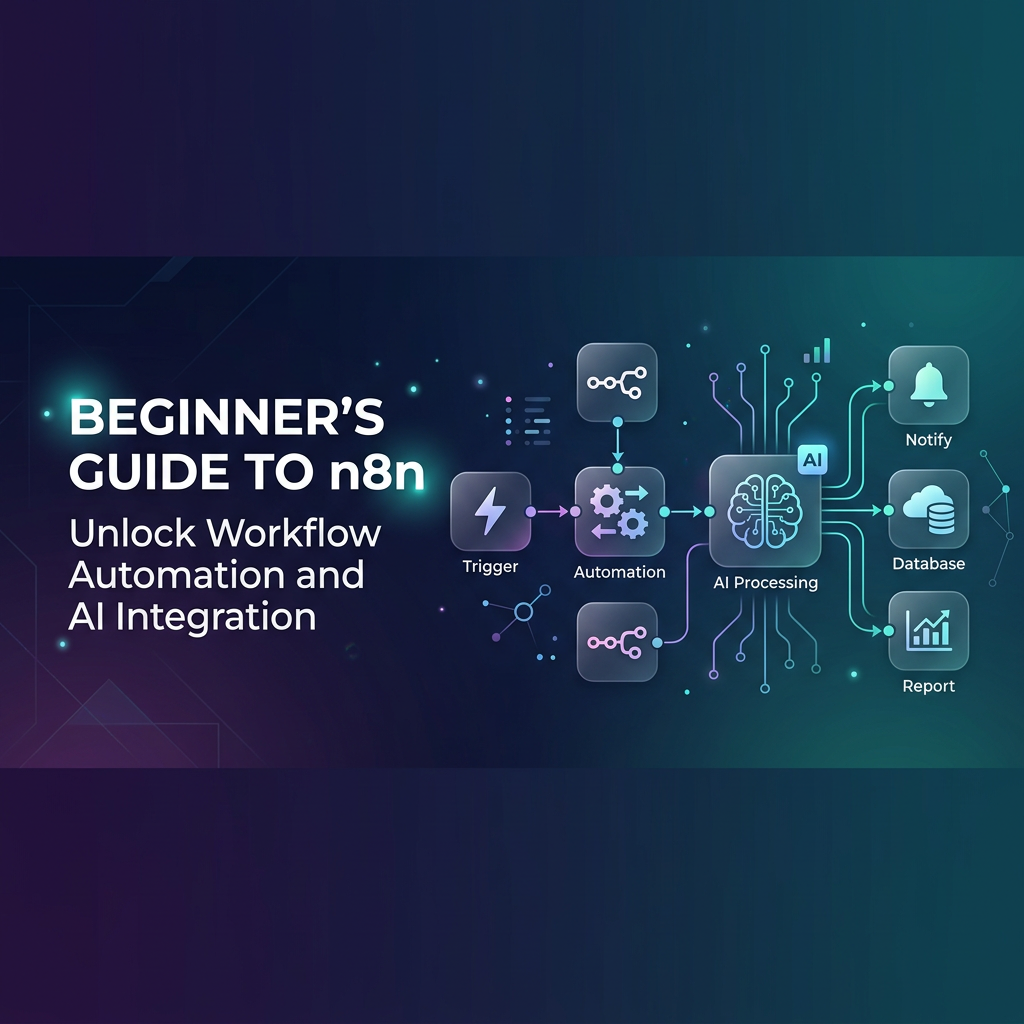
Imagine a world where you no longer waste precious hours fiddling with code snippets, copying and pasting between interfaces, or juggling multiple applications to get the job done. Today’s cutting-edge platforms for אוטומציה של תהליכים עסקיים empower you to articulate your needs to powerful AI tools—like Claude or ChatGPT—and see your business workflow come to life in just minutes. This shift toward בינה מלאכותית integration is redefining how companies handle routine operations. This isn’t science fiction; it’s the reality offered by modern platforms reshaping automation, integration, and productivity. At its core, this revolution is marked by the seamless transformation of simple instructions into robust, run-ready workflows. Instead of spending time translating ideas into commands or debugging disparate systems, you directly express your requirements in plain language. The automation tool listens, interprets, and constructs a fully functional workflow executed with minimal intervention. Practically speaking, imagine setting up automated tasks: gathering data from multiple sources, processing it with AI, and feeding insights into a reporting dashboard. Traditionally, this involves coding, integrating APIs, and testing each step. Now, by describing your desired outcome, the platform handles the heavy lifting. Within minutes, you have a ready-to-run workflow tying all components effortlessly. This approach offers tangible benefits by reducing cognitive load for both developers and non-developers. Overwhelmed by traditional automation’s technical complexity? These platforms convert abstract requirements into concrete workflows, eliminating the back-and-forth between planning and execution environments. This friction reduction lets you focus on refining strategy rather than technical minutiae. From a business perspective, time saved on setup and debugging directly increases productivity. Teams collaborate more efficiently without recreating the wheel for each new integration. The AI-driven workflow builder abstracts complexities, enabling critical thinking on process improvement and innovation instead of repetitive code deployment. In competitive markets, these time savings can provide a significant edge. Israel’s vibrant tech ecosystem and dynamic business landscape make אוטומציה של תהליכים עסקיים (Business Process Automation) particularly relevant. With the rise of בינה מלאכותית, local companies are finding new ways to stay competitive. Israeli banks, hospitals, and logistics companies are increasingly exploring אוטומציה של תהליכים עסקיים to simplify complex workflows, improve operational resilience, and embrace חדשנות טכנולוגית. Providers like does.center offer automation platforms designed to accommodate evolving business needs within Israel and globally, facilitating rapid deployment and adaptability. A standout feature is the intuitive user experience. Picture a designer integrating multiple data sources for a real-time analytics dashboard. Traditionally, this requires deep dives into documentation and manual API key insertion across code editors. With automated solutions, the designer simply states, “combine data from sources A, B, and C, then apply transformations to highlight key metrics.” Minutes later, a reliable workflow integrates seamlessly with existing systems. This paradigm extends beyond data visualization to broader custom automation. Developers working in IDEs can streamline repetitive tasks—such as code formatting, testing, or deployment—by describing needs in natural language. The tool produces automated sequences ready for immediate integration, dramatically accelerating development cycles, boosting productivity, and reducing human error. Reliability and error reduction are additional benefits. Manual workflow construction risks misconfigurations or typos causing downtime or data issues. AI-powered builders follow best practices and standard protocols, ensuring workflows fulfill requirements and operate in a controlled, standardized manner. This is crucial for critical applications like financial tracking, healthcare data management, or cybersecurity monitoring. These systems cater to users with varying expertise. Non-programmers such as business analysts, product managers, and creative professionals harness automated workflows tailored to their needs. Consider a marketing team automating social media trend gathering, sentiment analysis powered by AI, and post scheduling based on engagement. With precise instructions, the workflow bridges technical development and marketing strategy in a seamless flow. Moreover, the system’s adaptability allows it to evolve with your business processes. As requirements shift, simply describe new needs, and the system adjusts workflows accordingly. This dynamic automation suits today’s fast-paced environments where flexibility and rapid iteration are essential, ensuring continuity and fostering innovation without delay. To illustrate this transformation, consider an e-commerce business optimizing customer service. Traditionally, inquiries require manual triage, forwarding emails, and routing requests. With AI-assisted workflows, the system reads messages, categorizes them as queries, complaints, or assistance requests, and automatically routes or triggers appropriate responses. The outcome is faster response times, improved satisfaction, and less manual workload. Cost efficiency also improves. Reducing manual intervention lowers staffing and training expenses. Streamlined processes minimize human error, avoiding costly mistakes or delays. Efficiency translates to profitability, allowing companies to redirect resources to strategic growth. In summary, implementing אוטומציה של תהליכים עסקיים through natural language is more than a novel feature—it’s a transformative shift. It leverages בינה מלאכותית to democratize technology across the enterprise. It democratizes advanced workflow creation, making it accessible to developers, data scientists, marketers, and business managers alike. By reducing friction through אוטומציה של תהליכים עסקיים, these platforms create environments where חדשנות טכנולוגית thrives, allowing teams to focus on high-value strategic goals. From optimizing customer service to accelerating development or generating business insights, the future of automated workflow development is efficient, robust, and user-friendly. Ultimately, this seamless AI and automation integration signals the future of technology—a world where the gap between thought and action is bridged by smart, adaptive systems that understand needs and deliver lightning-fast solutions. Israeli research institutions and technology providers like does.center continue to support this evolution, embedding AI-driven automation deeper into business fabric. With these transformative tools, work, innovation, and success in dynamic environments will change dramatically, ushering in an era of unparalleled creativity and productivity.Strategic ROI in Business Process Automation
When discussing אוטומציה של תהליכים עסקיים, the focus often lands on the technical magic of AI. However, the true value lies in the Return on Investment (ROI) and strategic scalability. By automating core business processes, companies reduce the 'human error' tax that plagues manual data entry and complex cross-platform migrations. This isn't just about speed; it's about the reliability of בינה מלאכותית acting as a digital glue between departments. As organizations grow, the ability to replicate success without adding linear overhead becomes the primary driver of market leadership.
The Role of Technological Innovation in Scale
True חדשנות טכנולוגית is not about adding more tools, but about simplifying the existing stack. Modern אוטומציה של תהליכים עסקיים platforms act as an orchestrator, allowing legacy systems to communicate with modern AI models. This interoperability ensures that your business can evolve without needing to rebuild its entire infrastructure from scratch every time a new technology emerges. In the context of the Israeli market, where agility is key, these automated workflows provide a safety net for rapid pivots and scaling.