אוטומציה עסקית עם AI: מהפכה בניהול תהליכים וזרימות עבודה
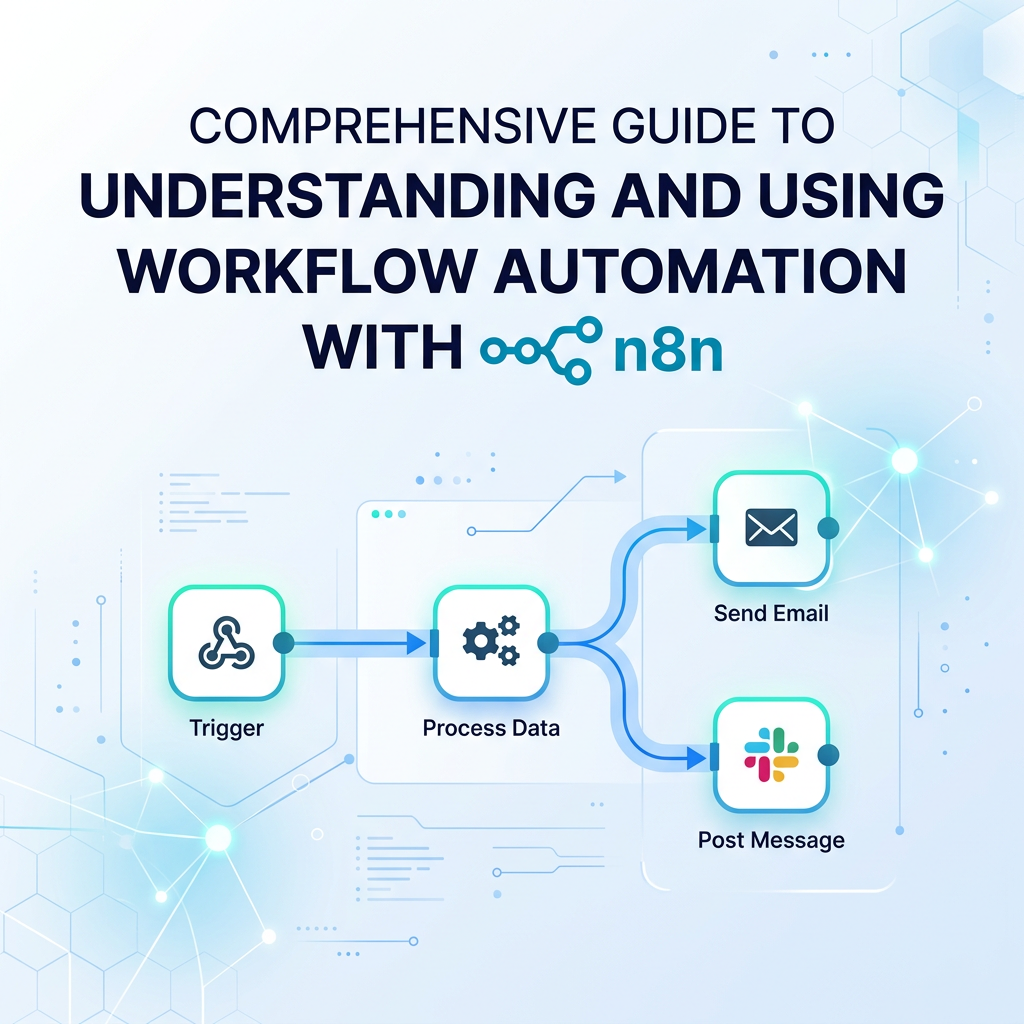
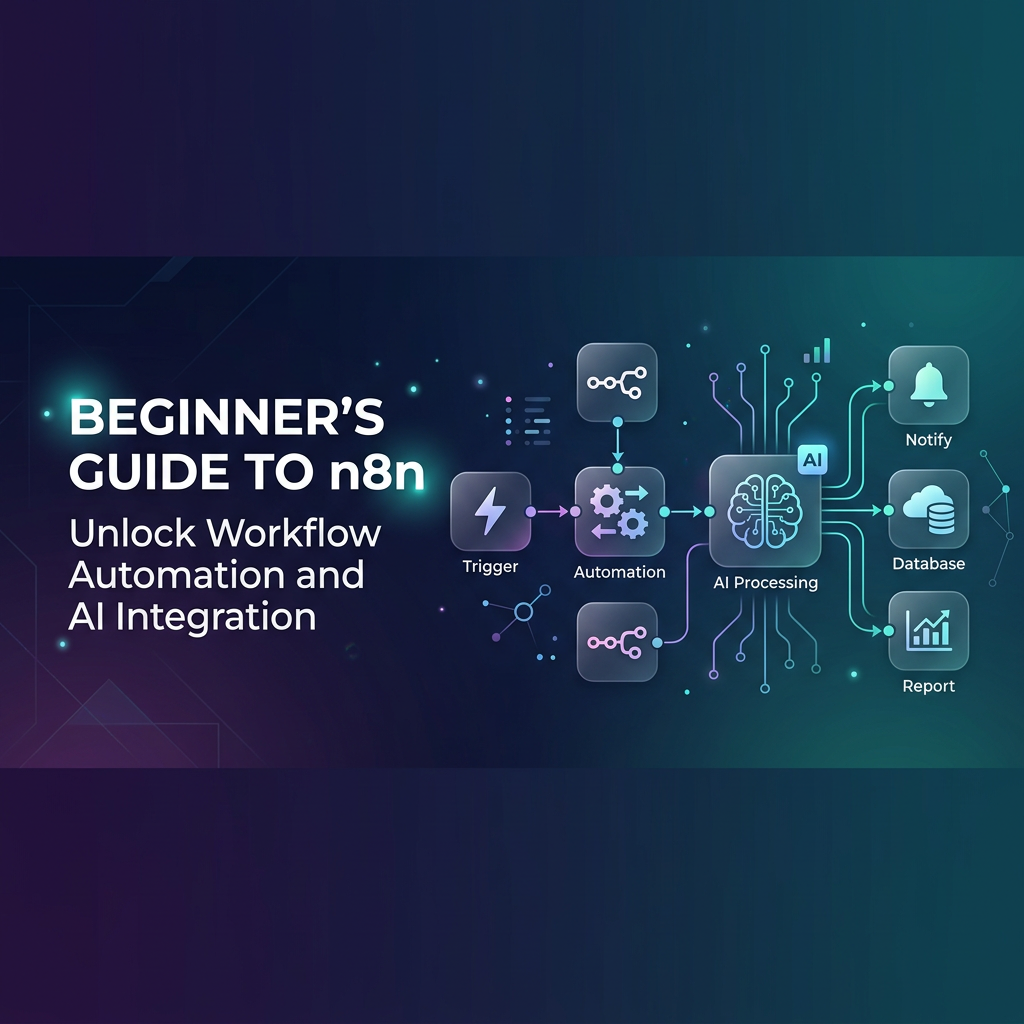
In today’s fast-paced digital environment, אוטומציה עסקית עם AI (Business automation with AI) has become the essential cornerstone for boosting productivity. By utilizing advanced algorithms, businesses can now achieve seamless process management, transforming complex requirements into executable workflows almost instantly. This shift toward smart automation (אוטומציה חכמה), supported by platforms like n8n, allows companies to implement אוטומציה עסקית עם AI effectively, bridging the gap between strategic vision and actionable results, allowing teams to focus on high-value tasks. Adopting the modern approach of אוטומציה עסקית עם AI simplifies the technical landscape dramatically. Instead of spending hours or days piecing components together through tedious copy-pasting and iterative testing, you can articulate your requirements in natural language. Whether you are a developer automating coding tasks or a business professional managing customer service, the system interprets your instructions and instantly produces a fully functional workflow. This innovation eliminates the traditional back-and-forth that slows development and innovation. One of the key benefits is its user-centric design. By working with tools like n8n, the focus shifts toward אוטומציה חכמה (smart automation), where the emphasis is on strategic design and outcomes rather than manual configuration. The system leverages advanced natural language processing to grasp complex goals and transform them seamlessly into automated workflows. This results in consistent, error-free processes executed with minimal human intervention—transforming enterprise and individual automation alike. For example, a marketing team aiming to automate lead capture and follow-up no longer needs to manually integrate CRM platforms, email marketing, and analytics. By describing actions like “retrieve new leads from website submissions, enrich with third-party data, and send introductory emails,” the system constructs a cohesive workflow connecting all services. This not only saves time but reduces integration errors often caused by moving data between multiple platforms. In development environments, developers typically switch contexts between coding and setting up integrations within IDEs. The new system acts as middleware, interpreting developer commands to generate tasks like continuous integration pipelines, error logging, and automated tests in real time. This allows teams to focus on core product development while automation engines orchestrate support tasks, reducing interruptions and accelerating iterations. Customer service operations also benefit significantly. Chatbots and virtual assistants handle queries efficiently but maintaining integration between them and backend systems such as order processing or ticketing often requires extensive manual coding. With this AI-driven approach, simply describing the desired connections enables the creation of workflows that automatically fetch data, send responses, and log incidents. For example, a delayed order complaint can trigger order status retrieval, response emails, and incident logging, enabling faster, more consistent customer support. The core of AI-driven automation merges natural language processing with flexible engine design to facilitate comprehensive process management. This enables users with minimal technical skills to produce sophisticated automations, democratizing technology beyond specialized developers. Small business owners, marketers, and educators can adopt these capabilities to innovate across industries. Platforms like n8n offer architectures designed for flexibility and scalability, including monitoring tools that track workflow execution and automatically diagnose or fix issues when possible. Extensive libraries of pre-built connectors for services such as Slack, Gmail, and GitHub enable fast assembly of required components—whether triggering IDE scripts or fetching AI chatbot data—greatly reducing development time and effort. E-commerce applications demonstrate practical impact. Retailers aiming to improve customer experience and operations can automate inventory updates, shipping notifications, and customer communications with simple commands like “when an item is sold, update inventory, notify shipping, and send a thank-you note.” This automation synchronizes departments and enhances customer satisfaction through timely updates and communications. Moreover, automated workflows reduce costly human errors in manual integrations, ensuring reliability essential for high-stakes sectors like finance, healthcare, and legal services. Minimizing manual labor frees teams to focus on creative problem-solving and innovation, shifting workplace culture towards higher-level strategic activities rather than repetitive tasks. These capabilities are particularly relevant for Israeli businesses, where companies across sectors are increasingly embracing אוטומציה עסקית עם AI to enhance operational efficiency in a competitive market. Israeli automation providers such as does.center offer tailored AI-driven automation solutions that emphasize ניהול תהליכים (process management) to meet the unique demands of local enterprises, supporting both the high-tech ecosystem and traditional industries. Looking ahead, integration with machine learning could enable systems to predict workflow outcomes and recommend real-time optimizations. Imagine an interface that not only builds workflows but continuously refines them based on performance data, ensuring automation evolves to meet changing business needs. In summary, direct-from-description workflow generation is a major automation milestone, empowering users from all backgrounds to harness advanced AI without mastering complex coding. This democratization benefits organizations large and small by improving efficiency, reducing errors, and driving innovation. Ultimately, AI-driven automation bridges human creativity and technical execution, turning conceptual goals into optimized, executable workflows.. Whether managing customer relations, enhancing development pipelines, or streamlining e-commerce, AI-driven workflow automation promises greater accessibility, efficiency, and alignment with organizational goals.The Strategic Impact of AI-Driven Automation on Enterprise Growth
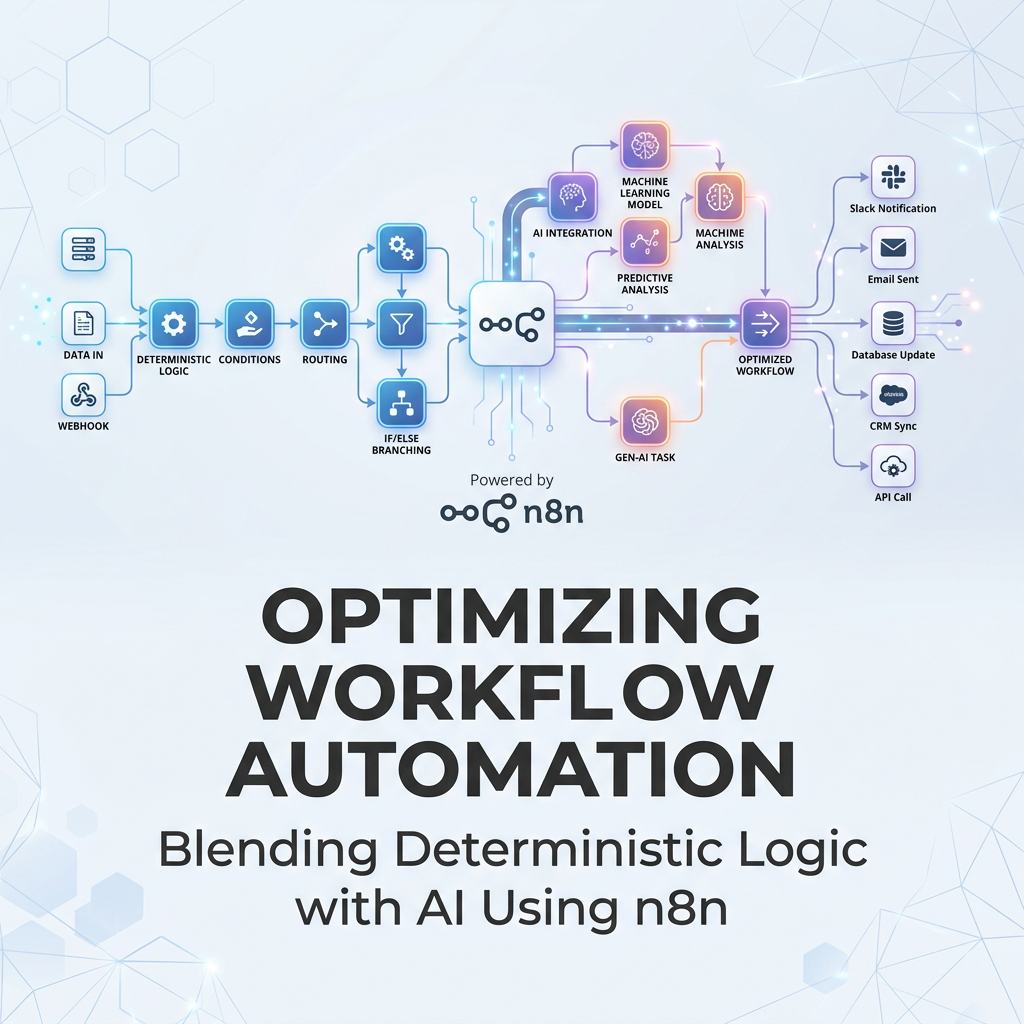
Implementing AI-driven automation is no longer just about saving time; it is about scaling enterprise intelligence. By integrating machine learning models directly into the operational fabric, organizations can achieve a level of אוטומציה חכמה (smart automation) that anticipates bottlenecks before they occur. This proactive approach to ניהול תהליכים (process management) ensures that resources are allocated dynamically, allowing businesses to remain agile in a volatile market. Furthermore, as AI models become more adept at understanding context, the transition from simple task execution to complex decision-making becomes seamless, providing a competitive edge to those who adopt these technologies early.
Maximizing ROI through Smart Process Management
To truly benefit from AI-driven automation, companies must look beyond the initial setup and focus on long-term optimization. Smart automation tools allow for continuous monitoring and data-driven refinements. By analyzing workflow performance, AI can suggest structural changes to ניהול תהליכים that reduce latency and operational costs. This iterative improvement cycle ensures that the automation framework evolves alongside the business, transforming static workflows into living systems that grow more efficient over time.
Why Business Automation with AI is the Future
In the modern corporate landscape, אוטומציה עסקית עם AI represents more than just a trend; it is a fundamental shift in how organizations manage their resources. By integrating AI into daily operations, companies can move beyond simple rule-based tasks into complex decision-making processes. This transition allows for better resource allocation, as employees are freed from mundane, repetitive duties and can instead focus on higher-value activities that require human creativity and strategic thinking. Furthermore, leveraging AI for business automation ensures that processes are scalable, meaning that as a business grows, its operational capacity grows alongside it without the need for proportional increases in administrative staff.