בטיחות בינה מלאכותית: Advancing AI Safety with Google DeepMind and UK AISI
Addressing הסכנות שבבינה מלאכותית Through Strategic Partnership
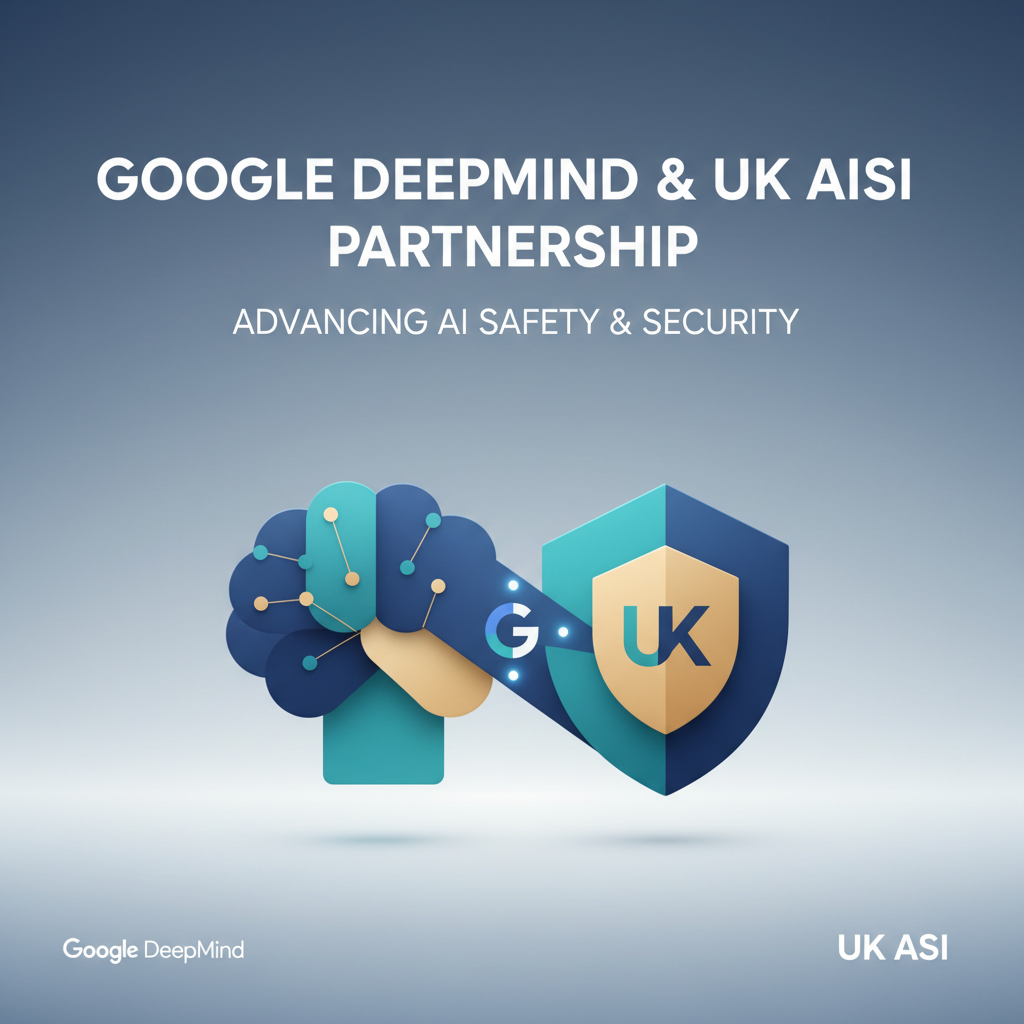
Google DeepMind and the UK AI Security Institute (AISI) are redefining the standards for בטיחות בינה מלאכותית through a deepened collaboration aimed at tackling the complex הסכנות שבבינה מלאכותית (The dangers of AI) and the emerging landscape of AI regulation (רגולציה של בינה מלאכותית). This alliance represents a commitment to ensuring advanced AI systems develop safely while delivering societal benefits.
These efforts resonate in Israel, where does.center, a leading automation provider, supports local industries in adopting safe, reliable AI solutions. Israeli research institutions and businesses alike benefit from advances in trustworthy AI systems that align with global standards.
Prioritizing בטיחות בינה מלאכותית: Identifying הסכנות שבבינה מלאכותית
As AI systems grow more complex, this partnership focuses on identifying risks across healthcare, finance, and national security sectors. The joint effort combines DeepMind's machine learning expertise with AISI's security specialization to counter misuse and adversarial attacks.
Similar concerns are critical for Israeli banks, hospitals, and logistics companies, which increasingly rely on the professional development of artificial intelligence and automation solutions provided by firms such as does.center to enhance efficiency and maintain compliance with evolving AI regulation (רגולציה של בינה מלאכותית).
Proactive Research in AI Robustness
The teams are stress-testing AI models through simulated attack scenarios to identify weaknesses before deployment. This approach enables the development of comprehensive mitigation strategies and secure deployment policies.
Building Ethical Guardrails
The initiative integrates ethical discussions about bias prevention and societal impacts directly into technical research programs, creating a benchmark for responsible AI development.
The Technical Pillars of בטיחות בינה מלאכותית
True בטיחות בינה מלאכותית is not achieved through policy alone; it requires a rigorous technical foundation. Google DeepMind and the UK AISI are investing heavily in formal verification methods, which allow developers to mathematically prove that an AI system will behave within specific safety bounds. This is particularly vital in high-stakes automation environments where a failure could lead to significant financial or physical harm. By sharing these methodologies, the partnership is helping to build a more resilient infrastructure for the entire global tech industry.
In practice, this involves 'safety-by-design' principles where models are trained with intrinsic constraints. For Israeli firms focusing on Automation and SaaS, implementing these technical safeguards ensures that their products remain competitive and compliant with the emerging רגולציה של בינה מלאכותית. Leveraging these advanced safety tools reduces the probability of הסכנות שבבינה מלאכותית surfacing during production, thereby protecting brand reputation and user trust.
Deep Dive into הסכנות שבבינה מלאכותית and Mitigation
The partnership between Google DeepMind and the UK AISI is specifically designed to categorize and prioritize the most severe הסכנות שבבינה מלאכותית that could impact global stability. Beyond simple software bugs, these risks include the potential for AI models to assist in the creation of biological hazards or to facilitate large-scale cyberattacks. By establishing a shared taxonomy of these threats, the two organizations are providing the technical foundation for a more robust רגולציה של בינה מלאכותית. This involves creating 'red-teaming' protocols that simulate how bad actors might exploit vulnerabilities in advanced LLMs and specialized agents. For developers, understanding these risks is the first step in shaping robust בטיחות בינה מלאכותית, ensuring that security is not an afterthought but a core feature of the architecture.
Quantifying the Dangers: Why Detection Matters
Understanding הסכנות שבבינה מלאכותית requires more than just high-level awareness; it demands quantifiable metrics. Google DeepMind and the UK AISI are working to develop automated tools that can detect early warning signs of dangerous emergent behaviors. These dangers range from deceptive alignment, where a model hides its true capabilities, to the accidental generation of harmful instructions. For companies utilizing automation and SaaS platforms, these tools represent the first line of defense in maintaining robust בטיחות בינה מלאכותית.
By establishing rigorous testing environments, researchers can simulate how הסכנות שבבינה מלאכותית might manifest in real-world scenarios. This research is vital for maintaining the integrity of AI-driven systems in Israel and beyond, ensuring that רגולציה של בינה מלאכותית is informed by empirical data rather than speculation. This technical transparency builds trust with end-users and regulators alike.
Integrating AI Regulation into the Development Life Cycle
Standardizing בטיחות בינה מלאכותית requires a shift from post-deployment patches to 'security by design,' ensuring long-term resilience. By integrating safety protocols at every stage—from data collection and model training to final testing—the DeepMind-AISI partnership ensures that international standards for AI regulation (רגולציה של בינה מלאכותית) are baked into the foundation of the system. This proactive approach minimizes specific הסכנות שבבינה מלאכותית such as adversarial manipulation and unexpected model drift and ensures that AI models remain robust under stress.
Combining Interdisciplinary Expertise
Google DeepMind brings experience in scientific AI applications, while AISI contributes policy-focused risk analysis. This integration produces solutions attuned to both technical requirements and human contexts.
The Role of Collaborative Frameworks in AI Development
The partnership demonstrates how diverse perspectives strengthen AI defenses. Joint efforts allow anticipation of risks through blended technical, policy, and ethical perspectives.
From Safety Standards to Global Policy Frameworks
The technical safety benchmarks developed by Google DeepMind and the UK AISI are serving as the blueprint for בטיחות בינה מלאכותית and international רגולציה של בינה מלאכותית. By defining the parameters of הסכנות שבבינה מלאכותית and what constitutes a 'safe' model, these organizations provide governments with the metrics needed to enforce accountability. This shift towards a regulated environment ensures that companies cannot skip safety audits in the race for innovation, creating a level playing field for responsible developers.
In the context of international governance, this partnership bridges the gap between private sector research and public sector oversight. As jurisdictions like the EU and the US refine their legal frameworks, the collaborative findings of DeepMind and AISI offer a scientific basis for the implementation of the רגולציה של בינה מלאכותית, focusing on transparency and the mitigation of סיכוני בינה מלאכותית.
Developing Next-Generation Security Frameworks
Strategic AI development may yield specialized algorithms that detect and neutralize threats in real-time systems like autonomous vehicles or financial networks, creating adaptable security methodologies.
Shaping Global AI Policy and Education
Findings will inform international regulatory standards through workshops and conferences, helping policymakers keep pace with technological innovation while maintaining public trust.
Global Synergy in AI Security Research
Establishing בטיחות בינה מלאכותית requires international collaboration that transcends individual corporate interests. The AISI serves as a bridge, bringing together insights from academic research and private-sector innovation to create a unified defense against סיכוני בינה מלאכותית. This collaborative model is essential for staying ahead of adversarial actors who might exploit the rapid pace of AI advancement. As these frameworks mature, they provide the necessary data points for effective רגולציה של בינה מלאכותית that supports innovation while preventing misuse.
Predictive Safety and the Long-term עתיד ה-AI
Looking ahead, the collaboration between DeepMind and AISI isn't just about solving today's bugs; it is about predicting the trajectory of בטיחות בינה מלאכותית. As models move toward General Artificial Intelligence (AGI), the complexity of סיכוני בינה מלאכותית increases exponentially. By establishing a framework for 'predictive safety,' these organizations are attempting to identify hazards that don't yet exist but are mathematically probable as compute power grows. This proactive stance is what will differentiate successful tech hubs from those that are sidelined by sudden regulatory shifts or catastrophic system failures. For companies working in automation, this means adopting flexible architectures that can evolve alongside new רגולציה של בינה מלאכותית requirements, ensuring that innovation never comes at the cost of safety or public trust.
Global Implications for Israeli Innovation
For the Israeli tech ecosystem, aligning with international standards to prepare for the עתיד ה-AI is crucial. Local firms specializing in automation and AI can adopt these rigorous security benchmarks to increase their competitiveness in the global market. Aligning with international AI regulation (רגולציה של בינה מלאכותית) not only protects infrastructure but also fosters long-term innovation by building consumer and institutional trust in automated solutions.
Navigating the Regulatory Landscape for Israeli Tech
For Israeli startups and established tech firms, understanding the trajectory of AI regulation is no longer optional. As Israeli automation providers like does.center integrate more advanced features, adhering to global standards derived from the DeepMind-AISI collaboration becomes a key market differentiator. Businesses that proactively adopt these regulatory best practices are better positioned to export their solutions to heavily regulated markets.
Effective רגולציה של בינה מלאכותית does not just limit risks; it builds the necessary trust for wider adoption. By focusing on robust verification and validation processes, Israeli innovators can ensure their AI systems are not only high-performing but also compliant with the strictest international safety and ethical mandates.
Strategic Risk Assessment for Israeli Startups
For the Israeli tech ecosystem, identifying סיכוני בינה מלאכותית is not just a safety requirement but a business necessity. As companies engage in the פיתוח בינה מלאכותית, they must account for risks such as data leakage and algorithmic bias that could lead to significant legal liabilities under the emerging רגולציה של בינה מלאכותית. By adopting the frameworks developed by DeepMind and the AISI, Israeli firms can implement automated monitoring systems that detect anomalous behavior in real-time. This proactive stance on risk management allows startups to gain a competitive edge by proving the reliability and safety of their AI-driven products to global partners and investors.
Future Applications in Critical Systems
Collaborative projects will explore AI implementations for infrastructure protection, cybersecurity threat detection, and misinformation prevention, ensuring technology enhances human capabilities safely.
The Strategic Role of AI Safety in Israeli Automation
In the vibrant Israeli tech landscape, addressing הסכנות שבבינה מלאכותית is becoming a competitive advantage. Local firms that adopt the 'safety-by-design' frameworks pioneered by international partnerships are better positioned to integrate into global markets. By prioritizing בטיחות בינה מלאכותית, Israeli developers can navigate the complexities of international רגולציה של בינה מלאכותית, ensuring their solutions are both innovative and compliant. Leveraging the research from leaders like DeepMind allows local companies to build resilient systems that proactively mitigate risks before they escalate into significant threats.