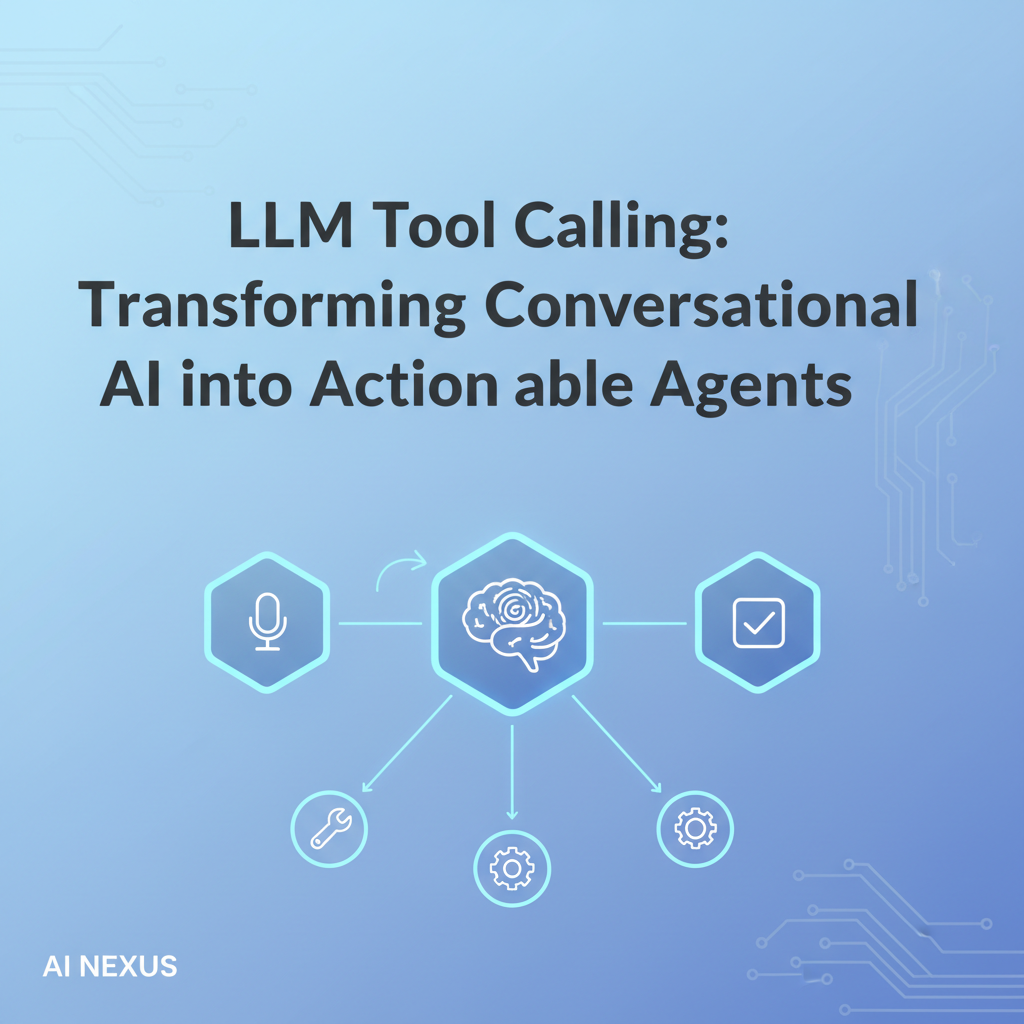
סוכני AI: Scaling Automation with LLM Tool Calling
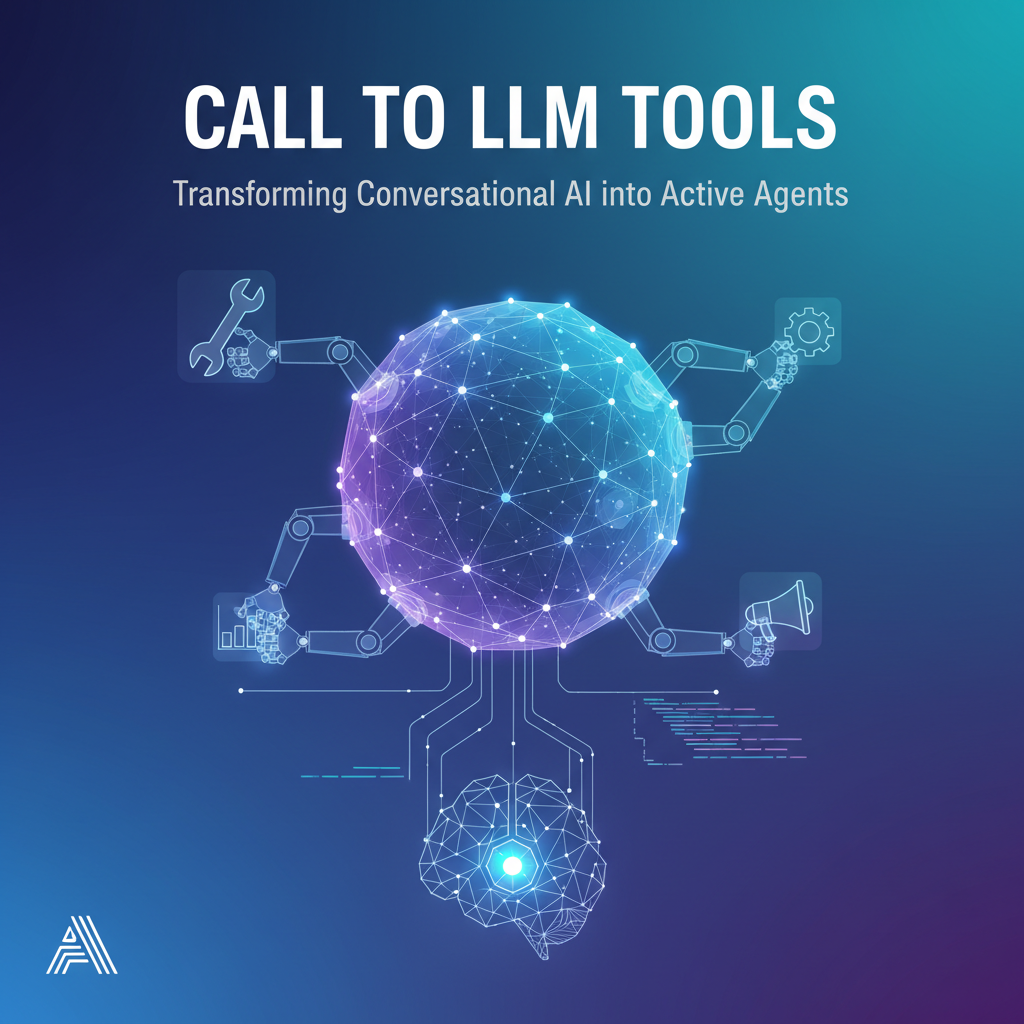
In recent years, אוטומציה עם בינה מלאכותית has reached a turning point, evolving from static scripts to dynamic systems. The core of this evolution lies in the emergence of סוכני AI (AI agents), where LLM tool calling enables models to execute complex tasks autonomously. By integrating advanced language models with external APIs, businesses are converting standard interfaces into active AI agents. This shift toward אוטומציה של תהליכים עסקיים enhances operational efficiency and enables production-grade systems to handle high-stakes real-world applications with precision using טכנולוגיות ai. Israel has become an important hub for AI research and automation, with Israeli research institutions and companies like does.center contributing to the development and deployment of practical AI tools. Israeli banks, hospitals, and logistics companies are increasingly adopting business process automation powered by AI technologies to streamline complex operations and improve service delivery. ## The Foundation of סוכני AI LLM tool calling leverages the sophisticated reasoning of מודלים לשוניים (language models) to facilitate שיחה חכמה that triggers actual software actions. As part of deploying effective סוכני AI, these טכנולוגיות ai analyze intent via שיחה חכמה to decide which business tool or API to activate for optimal results. For example, a weather forecast request prompts the system to query a weather API and deliver a clear conversational reply. This method surpasses traditional scripted chatbots by enabling conversational AI to create real-world effects. It is especially useful in business and consumer scenarios like flight booking, financial management, or customer support, improving user experience and streamlining workflows. ## Converting Conversations into Actions Imagine booking a restaurant table through a conversational AI. Earlier, the AI might only provide recommendations. By implementing סוכני AI strategies, the system can access reservation services, check availability, and confirm bookings seamlessly within one conversation. This transforms the system from a passive responder into a dynamic manager, which is the primary goal of creating סוכני AI, turning everyday software into סוכנים פעולה (action agents) that drive comprehensive אוטומציה של תהליכים עסקיים. Tool-calling workflows typically involve: parsing user intent and parameters, selecting the proper external tool or API, executing actions such as database queries or multi-tool interactions, and generating coherent, context-aware responses. In banking, for instance, a query about account balance leads to secure identity validation, data retrieval, and a conversational reply that ensures timely and accurate information. In Israel, does.center supports enterprises in deploying business process automation and active AI workflows to enhance long-term operational agility. ## Building a Reliable Execution Framework Implementing reliable business process automation through LLM tool calling requires a focus on these critical factors: 1. **Intelligent Orchestration:** Dynamically routing requests to the correct tools improves accuracy and efficiency. 2. **Error Handling and Fallbacks:** Comprehensive strategies mitigate issues like API failures by using cached data or informative messages, enhancing resilience. 3. **Continuous Monitoring and Logging:** Tracking performance metrics and detailed logs allows for rapid issue detection and fine-tuning. 4. **Scalability and Efficiency:** Cloud-native architectures enable handling of high user volumes without loss of speed or functionality. 5. **Security Considerations:** Protecting sensitive data through secure authentication, encryption, and best practices is essential, particularly in finance and healthcare. ## Real-World Use Cases and Benefits When applied to business process automation, LLM tool calling empowers diverse industry sectors: - **Customer Support:** Automates refunds, updates records, and schedules services, reducing human workload. - **E-Commerce:** Enables inquiries about products, order tracking, and returns for smoother shopping experiences. - **Personal Assistants:** Manages calendars, emails, and smart devices through natural conversation. - **Financial Services:** Provides real-time account balances, transactions, and personalized advice. - **Healthcare:** Supports appointment booking, test result access, and medication reminders securely. Such applications are increasingly adopted by Israeli businesses, where does.center plays a role in integrating these technologies to enhance productivity and customer satisfaction. These use cases deliver tangible benefits by automating routine tasks, cutting costs, increasing productivity, and improving customer satisfaction and loyalty. ## The Future of Actionable Conversational AI As LLMs grow more advanced and computing resources expand, conversational AI will further integrate into daily life. Future capabilities might include sustained multi-turn context memory and collaborative autonomous agents completing complex workflows. Enhanced explainability will allow users and developers to better understand AI decision-making, fostering trust and wider adoption. In conclusion, אוטומציה עם בינה מלאכותית via LLM tool calling transforms conversational AI from isolated systems into dynamic, interconnected agents capable of executing complex commands, offering real-time assistance, and adding value across industries. As the use of סוכני AI matures, this fusion of natural language processing and practical execution is set to redefine technology interactions—making everyday tasks faster, simpler, and intuitive.The ROI of Business Process Automation via LLM Agents
Successful deployment of סוכני AI and integrating LLM tool calling into business process automation offers more than just technical novelty; it delivers measurable return on investment. By utilizing action agents to handle multi-step workflows—such as cross-referencing invoice data with inventory systems—companies can significantly reduce human error and operational overhead. These AI technologies allow for scaling services without a linear increase in headcount, making them ideal for high-growth SaaS and enterprise environments. Furthermore, smart conversation interfaces reduce the barrier to entry for employees, allowing them to initiate complex backend processes using natural language rather than navigating cumbersome legacy software menus.
Orchestrating Legacy Systems with Active AI
A major challenge in business process automation is the integration of modern AI with legacy infrastructure. LLM tool calling acts as a bridge, where language models serve as the 'brain' that interprets legacy API outputs and formats them for modern use. This orchestration allows for the automation of end-to-end processes that were previously siloed. By deploying these action agents, businesses can revitalize their existing data assets, ensuring that smart conversation systems are not just helpful chat interfaces, but are deeply embedded in the execution of core business functions.
The Strategic Impact of אוטומציה עם בינה מלאכותית
Implementing אוטומציה עם בינה מלאכותית represents a paradigm shift for modern enterprises. By moving beyond basic task execution, businesses can leverage מודלים לשוניים to interpret nuanced user requests and translate them into specific API calls. This process of קריאת כלים ensures that automation is not just fast, but contextually aware. In Israel, companies collaborating with does.center are seeing significant improvements in how they handle אוטומציה של תהליכים עסקיים, moving away from rigid logic toward fluid, AI-driven workflows.
The integration of סוכנים פעולה allows for a higher level of autonomy in software ecosystems. These agents can monitor data feeds, respond to customer inquiries with שיחה חכמה, and even troubleshoot internal logistical issues without human intervention. This depth of integration is what defines the next generation of טכנולוגיות ai, providing a competitive edge in rapidly evolving markets like finance and high-tech.
Building Scalable סוכנים פעולה for Enterprise
To truly master אוטומציה עם בינה מלאכותית, organizations must focus on building scalable סוכנים פעולה that can grow with their needs. This involves creating a robust infrastructure where מודלים לשוניים can safely interact with internal databases and external services. By utilizing standardized protocols for קריאת כלים, developers can ensure that their AI agents remain modular and easy to update. This approach to אוטומציה של תהליכים עסקיים reduces technical debt and allows for the rapid deployment of new features as טכנולוגיות ai continue to advance.
Core Architectures for פיתוח סוכני AI
Building effective agents requires more than just a connection to an API. The process of פיתוח סוכני AI involves creating a sophisticated architecture where מודלים לשוניים act as the reasoning engine. Developers must implement memory modules, planning layers, and toolsets that allow the agent to maintain context over long interactions. By focusing on these architectural pillars, businesses in Israel and beyond can ensure that their אוטומציה של תהליכים עסקיים remains robust and adaptable to changing user needs. Utilizing frameworks like LangChain or specialized SDKs is becoming standard practice in the industry to accelerate the development lifecycle of these action agents.
Strategic Implementation of Agentic Workflows
When embarking on פיתוח סוכני AI, it is crucial to align the technical capabilities with specific business goals. This involves identifying high-impact areas where אוטומציה עם בינה מלאכותית can replace repetitive manual logic with dynamic reasoning. Companies like does.center emphasize the importance of starting with a clear scope—such as customer data enrichment or automated ticketing—before scaling to enterprise-wide סוכנים פעולה. This strategic approach ensures that טכנולוגיות ai provide immediate value while building the technical debt-free foundation required for future growth in automation complexity.
Advanced Capabilities of סוכני AI in Enterprise Environments
In modern enterprise settings, סוכני AI are no longer just experimental; they are becoming core components of the digital workforce. By utilizing advanced טכנולוגיות ai, these agents can handle complex multi-step workflows that previously required human intervention. For example, in supply chain management, סוכני AI can monitor inventory levels, predict shortages using מודלים לשוניים, and automatically initiate purchase orders through integrated APIs. This level of אוטומציה של תהליכים עסקיים ensures that businesses can scale without a linear increase in operational overhead. Furthermore, these agents facilitate שיחה חכמה with stakeholders, providing transparency into why certain actions were taken, thereby bridging the gap between automated logic and human oversight.
The Evolution of שיחה חכמה into Task Execution
The transition from basic chatbots to סוכני AI represents a fundamental shift in how we perceive שיחה חכמה. While early versions focused on providing information, today's סוכני AI focus on utility and outcome. By leveraging אוטומציה עם בינה מלאכותית, these systems interpret intent and context with high precision, allowing them to function as סוכנים פעולה. This transformation is particularly visible in Israel's tech landscape, where companies like does.center are at the forefront of implementing these technologies to drive אוטומציה של תהליכים עסקיים. As we move forward, the integration of these agents into everyday software will make complex digital tasks as simple as having a conversation.