Understanding ReAct Agents: Optimizing AI Decision-Making Processes
Introduction to ReAct Agents in Artificial Intelligence
Recent advances in artificial intelligence have introduced sophisticated systems that combine high-level reasoning with seamless action execution. Among these innovations, ReAct agents stand out as a powerful approach that synergizes reflective thought with timely behavior. ReAct agents address the challenge of structuring effective decision-making processes by continuously alternating between analyzing available information and executing appropriate actions. This rapid integration of complex decision-making processes and dynamic responses has positioned ReAct agents as a transformative concept within the landscape of intelligent systems.
In Israel, where agility and innovation in technology-driven sectors are crucial, ReAct agents present valuable opportunities. Key sectors—including Israeli banks, hospitals, and logistics companies—can leverage these systems to improve automation and responsiveness. Automation providers such as does.center are actively exploring how ReAct-inspired frameworks can enhance local industry AI applications, supporting Israel’s growth as a hub for adaptive intelligent technologies.
Core Functionality: Structuring ReAct Decision-Making Processes
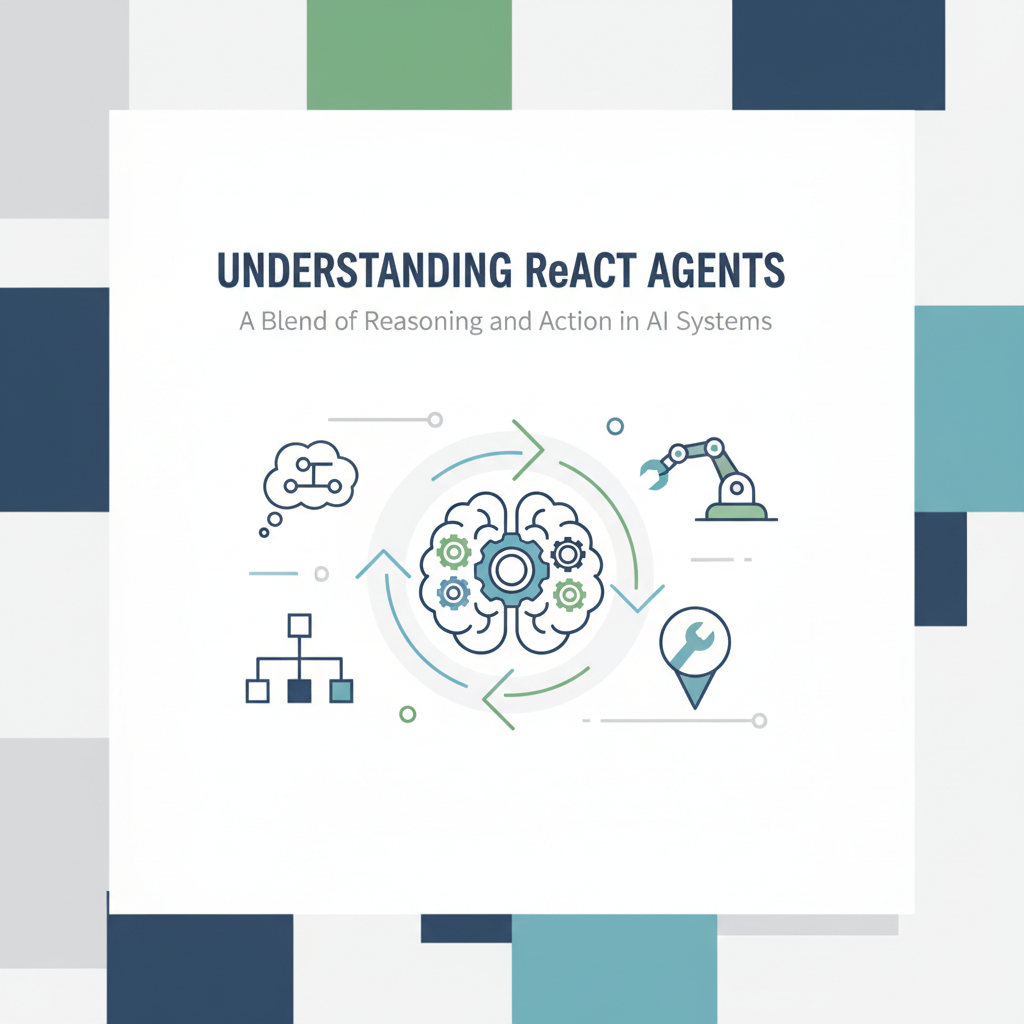
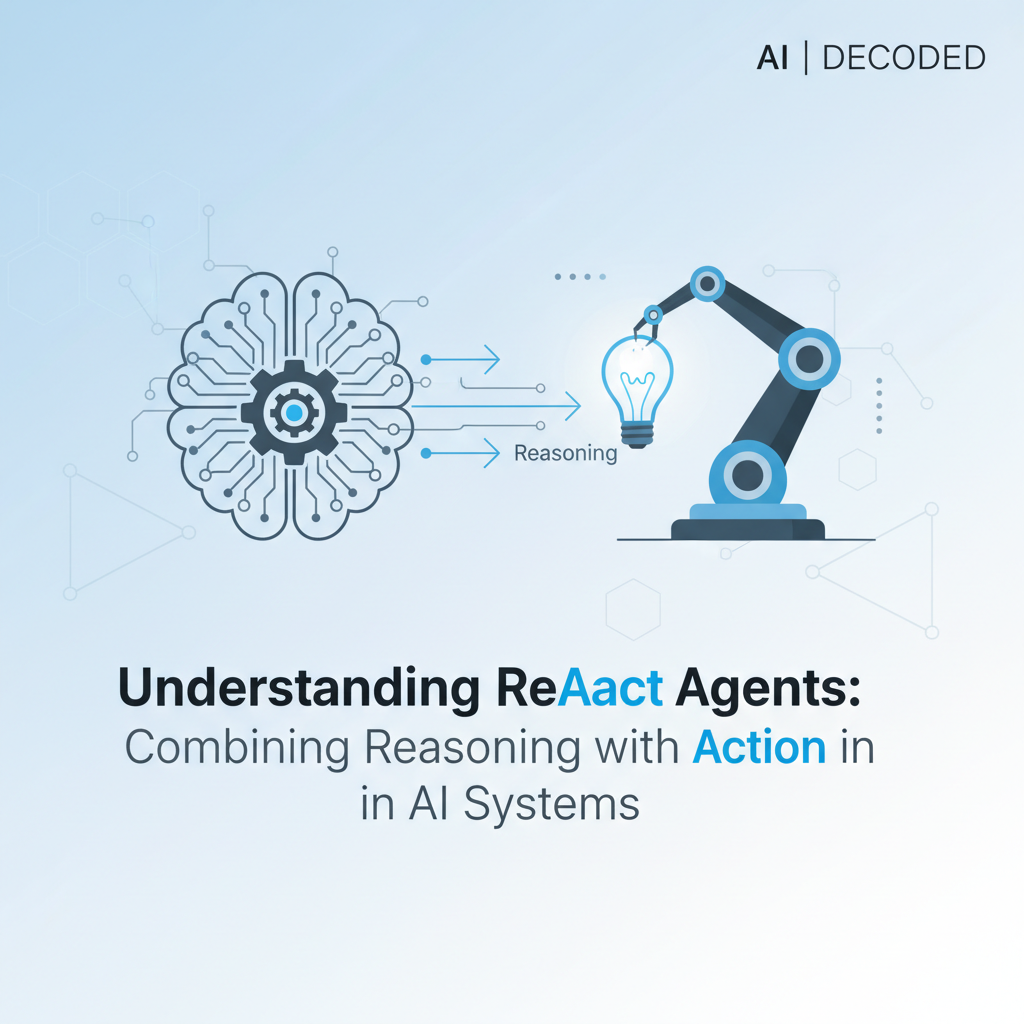
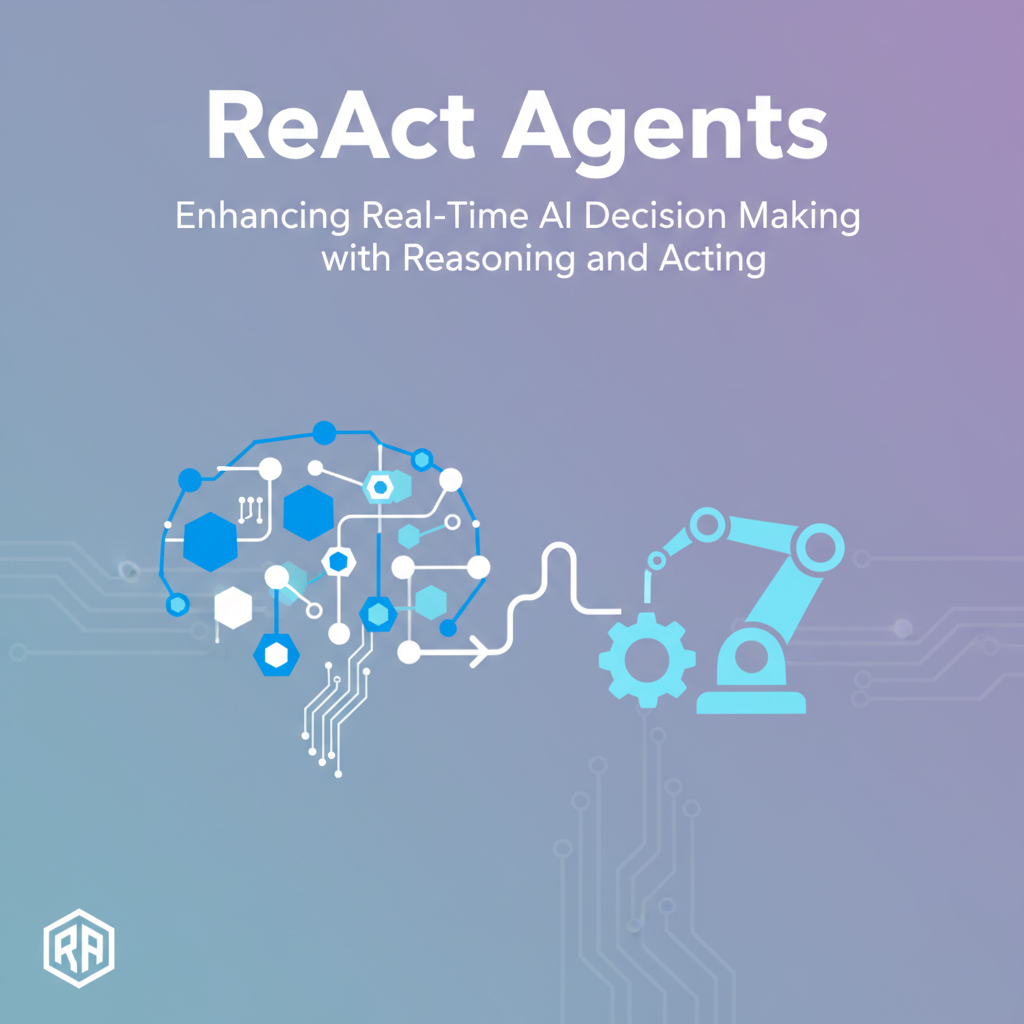
At their core, ReAct agents process incoming data, engage in internal deliberation to reason about the situation, and then promptly act based on context. Unlike traditional systems that separate planning from execution into distinct phases, ReAct agents weave these elements together fluidly. This continuous loop of reasoning followed by immediate action enables exceptional adaptability in rapidly evolving scenarios. One can liken this approach to a chess player who assesses the board constantly rather than planning the entire game before making a single move.
The Evolution of Structured Decision-Making Processes in AI
In the realm of בינה מלאכותית, the shift from static algorithms to dynamic תהליכי קבלת החלטות marks a significant milestone. ReAct agents represent this evolution by formalizing how a system thinks before it speaks or acts. By embedding a 'thought' trace before each action, these agents ensure that the resulting פעולה מהירה is not just fast, but logically sound. This structured approach allows for better error correction and transparency, as developers can trace the exact logic behind every step taken by the AI.
Architecture and Workflow of ReAct Agents
A closer look at ReAct agent architecture reveals a multi-layered design optimized for cognitive flexibility and operational efficiency. It typically includes:
- Perception Module: Captures and preprocesses raw input.
- Reasoning Module: Dynamically evaluates potential actions using contextual information.
- Action Module: Executes chosen behaviors in real time.
This streamlined pipeline supports an iterative cycle where each action modifies the environment and triggers new perception and reasoning phases. The result is an intelligent system capable of executing robust decision-making processes in unpredictable and complex settings.
Advantages of ReAct Agents: Adaptability Under Uncertainty
One key benefit of this architecture is its ability to handle uncertainty. Many real-world applications—from autonomous driving to personalized customer service—involve operating under incomplete or ambiguous data. ReAct agents excel due to their integrated reasoning strategies that adapt behavior as new information arrives. For example, an autonomous drone navigating urban areas might initially plan a route but quickly adjust it when unexpected obstacles are detected. This fluid adaptability is a hallmark of the ReAct framework.
Efficiency of Decision-Making Processes vs. Traditional Plan-First Systems
ReAct agents also excel in speed. Traditional plan-first agents require significant initial planning before acting, which works well in static environments but falters under time constraints. In contrast, ReAct agents prioritize immediacy, generating “good enough” rapid decisions and refining them iteratively based on feedback. This continual learning process improves performance over time, making ReAct ideal for dynamic scenarios where quick reactions are critical.
Challenges and Limitations of the ReAct Approach
Despite their advantages, ReAct agents face challenges. While prioritizing speed in decision-making processes can sometimes yield less optimal outcomes when information is limited, highlighting a trade-off between speed and optimality. Developers must balance an agent’s responsiveness with its thoroughness in data analysis to avoid premature or inaccurate actions. Additionally, ensuring seamless communication between perception, reasoning, and action modules requires complex algorithms and effective integration of probabilistic models to manage uncertainty.
Technical Considerations and Module Integration
The interaction between reasoning and acting requires a robust pipeline. For instance, a smart home system adopting a ReAct approach must quickly interpret sensor data to differentiate between normal events and emergencies. Combining sensory inputs with contextual knowledge allows the system to respond appropriately and maintain reliability even in imperfect conditions. Rigorous testing and iterative refinement are essential to address these technical challenges. Israeli research institutions contribute to advancing these integration techniques, striving to optimize performance for real-world deployments.
Strategic Integration for Israeli Enterprise Automation
For Israeli organizations looking to implement טכנולוגיות מתקדמות, understanding these decision-making processes is key to successful Automation. Whether in fintech or healthcare, the ability to audit an AI's reasoning provides the trust needed for deployment in critical sectors. By adopting ReAct-based תהליכי קבלת החלטות, companies can transition from simple scripted bots to truly intelligent agents capable of handling the nuance of local market demands and complex regulatory environments.
Comparing ReAct Agents and Plan-First AI Systems
Comparisons between ReAct agents and plan-first systems illuminate their distinct strengths and weaknesses. Plan-first agents excel in controlled, predictable environments by generating comprehensive strategies upfront. However, they struggle to adapt quickly when environments change unexpectedly. Conversely, ReAct agents thrive in settings demanding immediate reaction. For example, in robotics, a plan-first robot following a fixed assembly line routine may halt when facing an obstacle, whereas a ReAct-based robot can dynamically reroute or adjust its actions based on real-time sensory input, improving safety and minimizing downtime.
Real-World Applications of ReAct Agents
The practical impact of ReAct agents spans multiple industries:
- Healthcare: Intelligent diagnostic systems monitor patient vitals and adjust treatments in real time.
- Customer Service: Chatbots seamlessly alternate between automated responses and human escalation.
- Finance: Trading algorithms use ReAct principles to respond instantly to market fluctuations.
These use cases leverage the core strengths of ReAct agents: speed, adaptability, and robust operation under uncertainty. The relevance for Israeli sectors—including hospitals, banks, and logistics providers—is significant as they seek more efficient, automated solutions. Providers like does.center facilitate implementing ReAct-driven automation that aligns with the demands of local markets, helping to close the loop between innovation and operational needs.
Hybrid Systems: Combining Planning with Rapid Reaction
The flexibility of ReAct agents inspires hybrid models blending detailed strategic planning with fast reactive capabilities. This combination allows AI systems to maintain a broad strategic framework while making immediate tactical adjustments—an approach increasingly relevant as AI technologies evolve to balance optimality and responsiveness.
Future Directions: Enhancing ReAct Agents through Machine Learning
Ongoing research focuses on overcoming ReAct limitations and improving module interactions. Advances in machine learning, particularly reinforcement learning, empower ReAct agents to learn from past experiences, refine decision-making processes, and expand operational scenarios. This evolution enhances both performance and applicability across diverse fields.
Conclusion: The Value and Potential of ReAct Agents
The ReAct paradigm offers a remarkable balance between decisive action and reflective judgment. By uniting reasoning and acting into a seamless process, these agents deliver intelligence well-suited to dynamic, real-world environments. Whether powering autonomous vehicles, smart robots, home systems, or customer service tools, ReAct agents are reshaping real-time decision-making, bridging theory and practical application.
In summary, embracing ReAct enables developers to build AI systems better equipped for uncertain and rapidly changing conditions, providing a compelling alternative to traditional plan-first architectures. This adaptive approach enriches the AI landscape and ensures future intelligent systems remain responsive to complex challenges, including those faced by Israeli industries pursuing automation and technological leadership.