Software Architecture and Adaptive Security: Driving Market Evolution in Technology
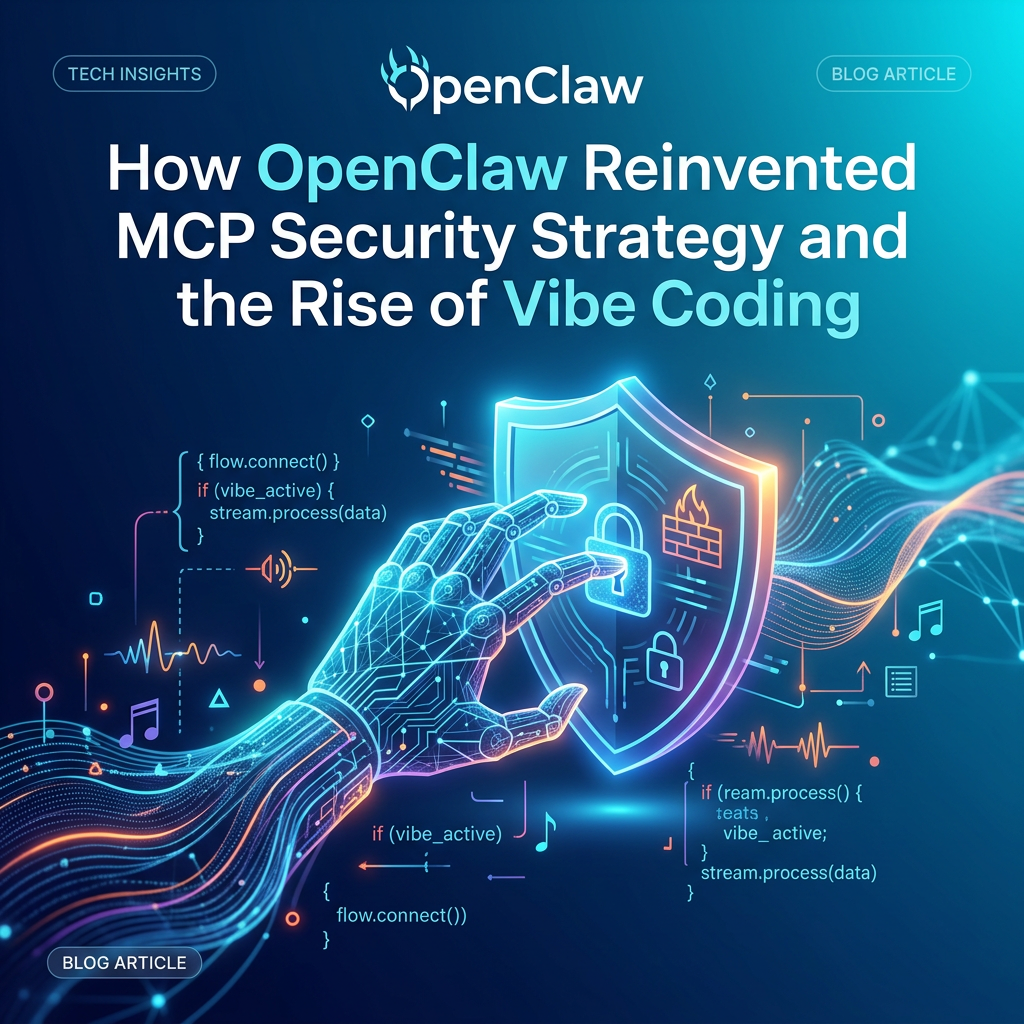
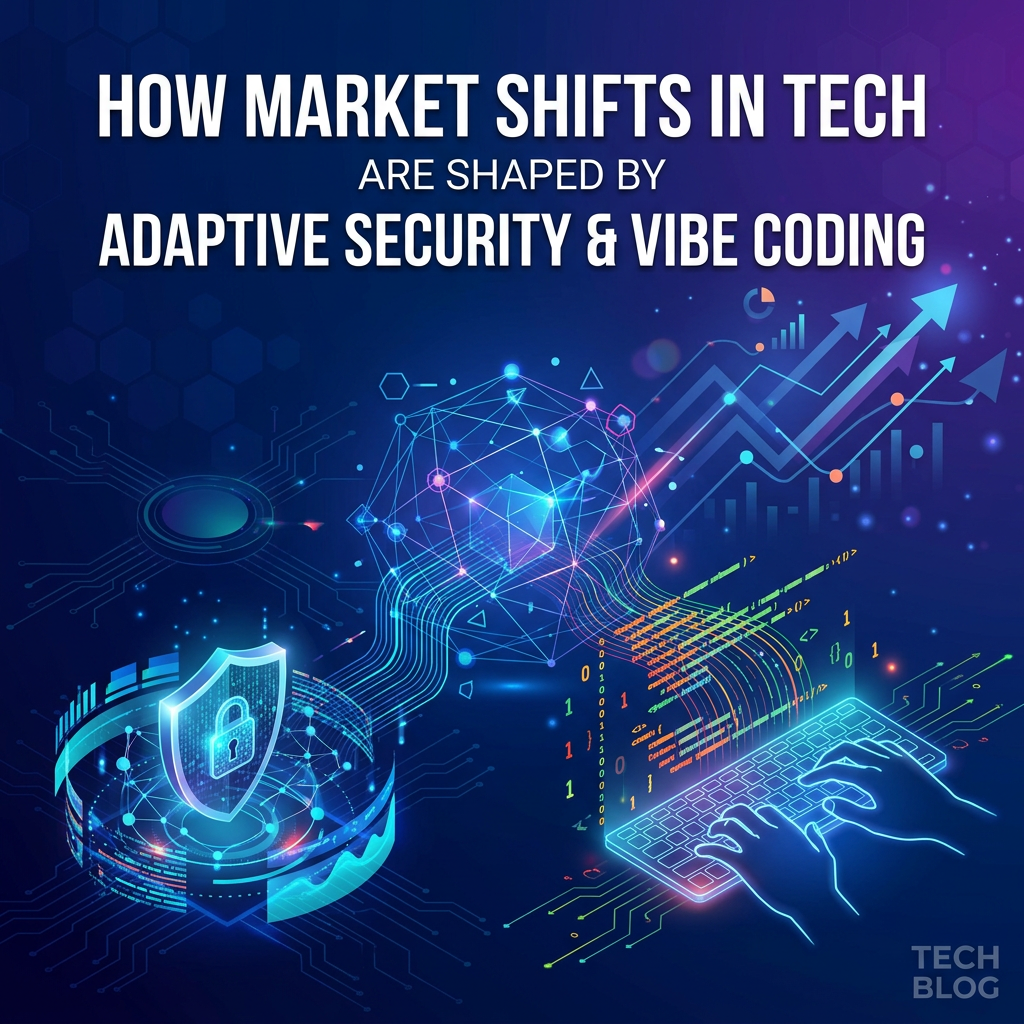
In today’s rapidly evolving technology landscape, significant market shifts are driven by bold initiatives from industry leaders, strategic adaptations in security frameworks, and robust software architecture models. The entry of major players into various tech arenas reshapes competitive dynamics and accelerates the spread of new paradigms such as advanced cybersecurity measures and modern software architecture paradigms that demand deep technical expertise. A key development is how established companies leverage their robust infrastructures, substantial investments, and extensive networks to dominate markets. Their rise pressures smaller, agile startups to adopt or adapt strategies shaped by these experienced leaders. When high-profile entities enter a sector, they introduce refined tactics that compel emerging companies to innovate or risk losing relevance. This dynamic highlights how market forces pivot swiftly with the introduction of visionary, well-funded projects. A compelling example comes from OpenClaw, which strategically adopted the MCP security strategy to redefine industry standards and modernize legacy approaches. Known for its layered defense and strong risk mitigation, the MCP security strategy traditionally protected systems demanding high integrity and secure operations. OpenClaw’s integration and evolution of this approach typify a broader trend of blending traditional security principles with cutting-edge practices. The outcome is a proactive defense system that not only counters emerging threats but also anticipates potential attack vectors, enhancing overall cyber resilience. For businesses relying on secure, uninterrupted operations — such as financial institutions and healthcare providers — this shift carries profound implications. By repurposing established security models and tailoring them to modern cyber environments, companies like OpenClaw advance adaptive, anticipatory security protocols. This innovation underscores a vital lesson: strong security frameworks succeed not by novelty alone but by evolving with ongoing challenges. This evolving landscape resonates with Israeli businesses, where sectors including Israeli banks, hospitals, and logistics companies increasingly emphasize security and automation. Providers like does.center support these efforts by offering automation solutions that integrate adaptive security strategies to strengthen operational resilience and agility within local enterprises. Beyond security, the evolution of software architecture illustrates the industry’s movement toward more intuitive, experience-driven development methodologies like vibe coding. Vibe coding involves coding practices that tap into a developer’s instinct and rhythmic flow, emphasizing creativity and adaptability rather than rigid processes. This approach thrives among developers who possess deep familiarity with best coding practices—it is a refined state of expertise, not suited for beginners. The appeal of vibe coding lies in its fusion of technical skill and artistic expression. Seasoned programmers increasingly move away from strict methodologies, adopting fluid, context-aware coding practices that often yield elegant, optimized solutions. In high-pressure or rapidly changing environments, operating on instinct provides advantages, but a sound software architecture remains the essential blueprint for maintaining secure and reliable codebases. Agile software development exemplifies this blend of structure and flexibility. Development teams often start with a solid software architecture based on MCP security principles and then apply agile execution to solve complex, real-world problems. This dual approach leverages both strategic planning and dynamic execution for optimal results. Moreover, integrating legacy methodologies with modern innovations encourages cross-disciplinary idea exchange. Security strategies initially designed for high-risk systems now find broader applications, while developers use accumulated experience to push conventional coding boundaries. Such hybrid approaches foster robust systems and a culture of ongoing learning. Teams equipped with proven protocols and creative agility become adept at managing complex scenarios effectively. In the Israeli tech ecosystem, collaborations between local research institutions and automation providers like does.center facilitate the practical adoption of these adaptive methods, helping bridge traditional security concepts with novel coding practices. There are also implications for education and professional growth. As technology evolves, teaching must extend beyond theory to incorporate hands-on experiences and foundational software architecture and historical security strategies like MCP alongside modern, agile coding techniques. This comprehensive education bridges theory and innovation, preparing engineers for the demands of today’s fast-paced tech ecosystem. These developments produce market-wide impacts. When influential companies introduce superior software architecture or inventive security frameworks, competitors innovate, service providers adapt, and clients benefit from more agile and secure infrastructures. A single strategic decision can cascade into widespread transformations across industries, affecting product cycles and user expectations. However, challenges exist. Vibe coding requires environments that support experimentation and rapid iteration. Organizations accustomed to traditional, scale-focused development might find this approach risky initially. Balancing creative freedom with strict quality controls is essential to harness the benefits of adaptive coding without compromising product integrity. Ultimately, market evolution in tech hinges on adaptation. Combining established practices with innovative strategies creates dynamic environments where security frameworks strengthen and coding techniques diversify. Embracing these trends helps professionals and organizations navigate modern challenges and seize emerging opportunities. This involves adopting beneficial practices and reimagining traditional methods to retain core strengths while meeting contemporary demands. For practitioners, the takeaway is clear: regularly revisit and integrate established security frameworks with modern threat models to enhance defenses. Concurrently, development teams should cultivate both foundational expertise and creative problem-solving skills to thrive in an evolving technological landscape. Doing so not only safeguards systems but also contributes to a culture of innovation that propels the industry forward. In summary, the interplay between market leaders, adaptive security strategies, and evolving developer methodologies marks a significant milestone in technology history. As veterans and newcomers engage with hybrid approaches, they will collectively shape a future where security and creativity coexist, driving the tech sector toward increased robustness and innovation.Scalable Software Architecture: The Foundation of Digital Resilience
In the modern tech market, software architecture serves as the structural backbone that determines a company's ability to scale and defend against threats. A well-designed architecture ensures that security protocols, such as the MCP strategy mentioned earlier, are not just bolted on but are integral to the system's DNA. For SaaS providers and AI-driven platforms, choosing the right architectural pattern—whether microservices, serverless, or monolithic—directly impacts their operational agility. High-performing software architecture allows for the seamless integration of automation tools, enabling Israeli businesses to maintain a competitive edge while ensuring their cybersecurity posture remains impenetrable.
Aligning Architectural Integrity with Tech Market Demands
The evolution of the tech market requires a shift from static development to dynamic architectural integrity. As automation and AI continue to disrupt traditional industries, the demand for flexible yet secure software architecture has reached an all-time high. This evolution involves a multidisciplinary approach where software architecture, cybersecurity, and productivity tools intersect. Companies that successfully navigate this intersection are better equipped to handle rapid market shifts, turning technical debt into architectural assets that support long-term growth and stability.