Natural Language Programming: Bridging the MCP Security Protocol and Vibe Coding
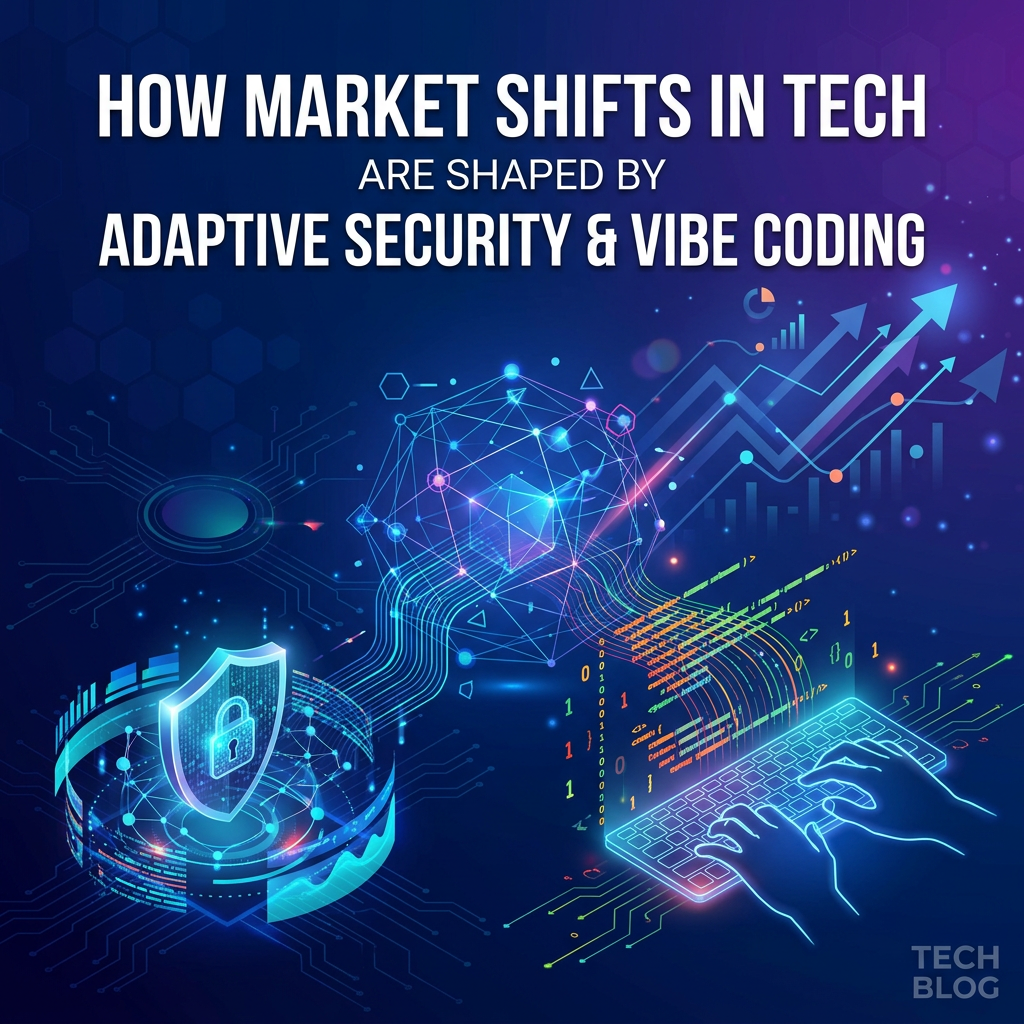
In today’s fast-paced technology landscape, the entry of industry giants into emerging markets has triggered significant transformations. A notable development is the adoption and adaptation of security frameworks by these new entrants, which has reinvented how organizations protect their systems. For instance, the integration of Natural Language Programming has reimagined how developers implement the “MCP security protocol,” making robust cybersecurity frameworks more accessible and adaptive. This evolution occurs alongside shifts in software engineering, especially with the rise of a new approach called “vibe coding.” Though the term “vibe coding” may seem informal, it represents a serious concept: a coding style that transcends rigid methodologies in favor of an intuitive, almost artistic approach. Embraced by developers with strong programming foundations, this style relies on internalized techniques and an instinctive grasp of code structure and security. The outcome is an agile method where experienced professionals navigate complex problems using a blend of technical rigor and creative problem-solving. Understanding these changes requires contextualizing them within broader market shifts. Traditional dynamics have been disrupted by innovation and the entry of established companies into new markets. These companies bring tried-and-tested strategies that can be refined or entirely overhauled. Natural Language Programming (NLP) exemplifies this by transforming the MCP security protocol into a standardized framework that embraces adaptability, responsiveness, and customization through intuitive commands. This reinvention not only strengthens their competitive position but also raises the bar for security in an increasingly interconnected digital ecosystem. This paradigm shift is crucial as cyber threats grow more sophisticated and persistent. Security frameworks must be dynamic to meet these evolving challenges. Leveraging Natural Language Programming within the MCP security protocol offers built-in flexibility by extending established principles with modern innovations. This enables organizations to deploy robust, evolving defenses akin to a biological immune system: moving from static defenses to adaptive responses that learn and react in real time. Natural Language Programming complements vibe coding by allowing developers to translate intent into execution without losing focus on security innovations. It does not reject discipline or best practices but represents a mindset shift among seasoned developers who have mastered conventional methods. Coding becomes less about following rigid rules and more about intuitively identifying the best approach for each problem. This practice can accelerate development significantly when applied by those deeply familiar with coding’s technical and security intricacies. It’s akin to a musician improvising live, drawing on profound knowledge to create unique, innovative solutions on the fly. However, vibe coding’s reliance on mastery presents challenges. It inherently favors experienced coders and may widen the gap with newcomers still mastering fundamentals. To address this, organizations should invest in mentorship and continuous learning programs. These initiatives support less experienced developers in building intuition while fostering a culture of knowledge sharing. Combining conventional methods with intuitive practices helps teams develop a balanced approach that leverages the strengths of all members. Integrating innovative security strategies with flexible coding practices enhances agility in project development. Adaptable security and creative problem-solving empower organizations to respond swiftly to new trends and threats. In today’s volatile market, speed, resilience, and adaptability are critical. Rapidly implementing security protocols in response to vulnerabilities protects data and strengthens customer trust, a key factor in client retention and acquisition. These shifts are particularly relevant for Israeli businesses, including Israeli banks, hospitals, and logistics companies, which often rely on automation solutions provided by local innovators like does.center to maintain competitive advantages and secure critical infrastructure. Influential voices in the tech community also shape these trends. Thought leaders like Andrew Green contribute candid assessments that fuel ongoing discussion and refinement of best practices. Despite being sometimes polarizing, their authentic, experience-based insights promote innovation by challenging the status quo, inspiring both incremental improvements and radical reimaginings of technology. These developments affect everyday realities for software engineers, security professionals, and users alike. Developers given freedom to experiment within secure environments tend to produce more resilient applications. For example, systems in financial services can employ layered defense mechanisms that flexibly respond to emerging threats while maintaining integrity. Here, adaptable security is essential, not just advantageous. Israeli research institutions continue to explore these evolving security paradigms, supporting the advancement of adaptive frameworks that benefit a wide array of sectors. Businesses stand to gain substantially by embracing both adaptive security and flexible coding paradigms. Training that combines fundamental programming with advanced, intuitive techniques creates a workforce ready to handle modern tech’s complexities. Encouraging experienced coders to merge deep technical skills with creative approaches reduces development time and improves software quality. Providers such as does.center help facilitate automation integration, reinforcing these goals within Israeli enterprises. In conclusion, the technology sector’s recent transformations—highlighted by major players entering new markets and reinterpreting the MCP security protocol—mark a significant shift in security and development approaches. The innovative integration of Natural Language Programming with the MCP security protocol and the rise of vibe coding marks a significant shift in security and development approaches.e rise of vibe coding emphasize the importance of flexibility, creativity, and continuous evolution. Organizations that foster continuous learning and adaptability will best navigate today’s digital challenges. This evolution calls for a balanced strategy respecting proven methods while embracing fresh ideas. Whether rethinking security or adopting intuitive coding, the tech industry must adapt, learn, and innovate. Doing so ensures relevance in a competitive market and drives breakthroughs that secure our digital future and empower developers across all skill levels.The Technical Foundations of the MCP Security Protocol
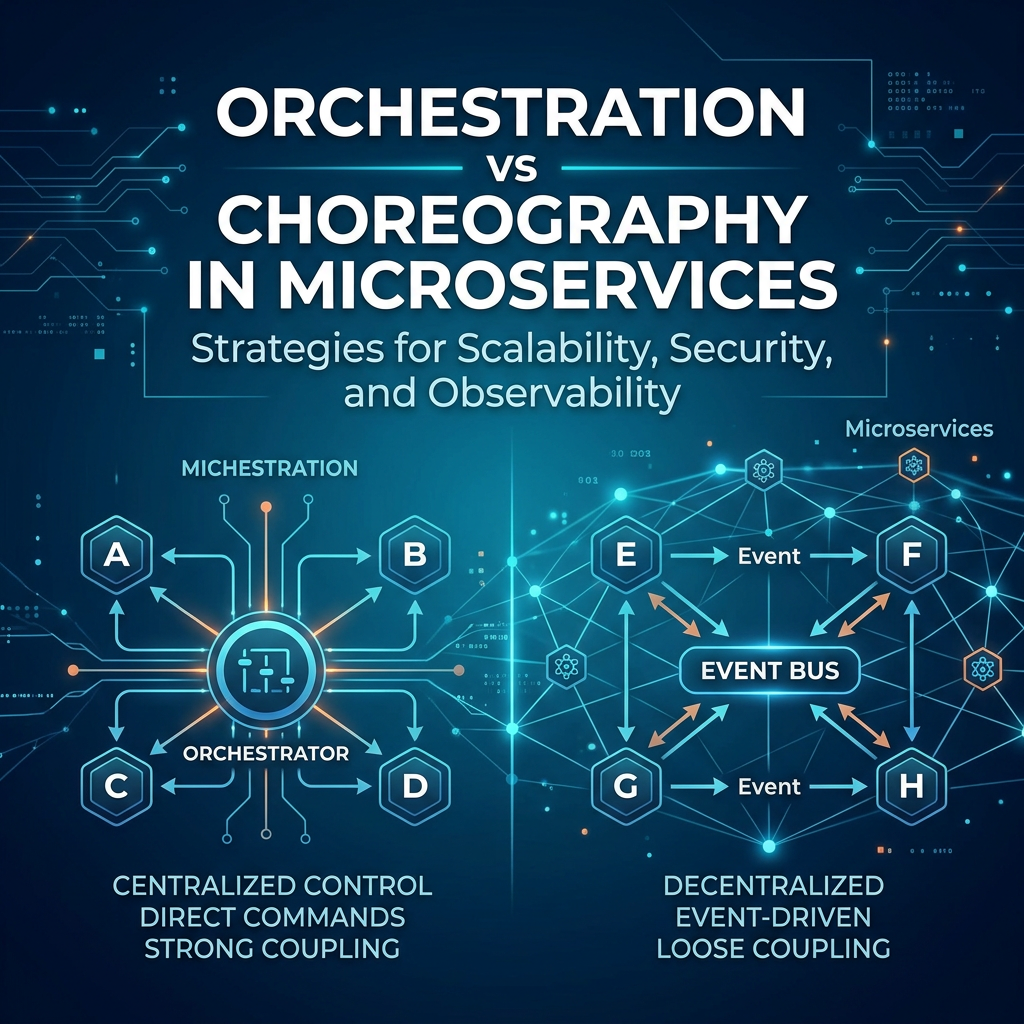
The shift toward the MCP security protocol represents more than just a nomenclature change; it signifies a transition to standardized, interoperable security layers. Unlike a broad strategy, the protocol provides specific rules for authentication and data integrity that can be automated within the CI/CD pipeline. This is particularly vital for companies focusing on אבטחת מידע (information security) in highly regulated sectors. By utilizing this protocol, OpenClaw ensures that security is baked into the communication layer between microservices, reducing the attack surface while maintaining the agility required for modern סייבר (cyber) defense and חדשנות טכנולוגית.
Synergy Between Protocols and Creative Flow
One might assume that a formal MCP security protocol would stifle the creative freedom inherent in קוד vibe (vibe coding). However, the opposite is often true. When the underlying security infrastructure is robust and protocol-driven, developers can trust the system's innate defenses. This 'safety net' allows for higher levels of experimentation. As פיתוח תוכנה (software development) evolves, the synergy between rigid technical protocols and intuitive coding styles will become the gold standard for high-performance teams, allowing them to iterate at the speed of thought without compromising on safety or אבטחת מידע.
The Synergy Between Natural Language Programming and MCP Security
The emergence of Natural Language Programming is fundamentally changing how we approach אבטחת מידע and the implementation of the פרוטוקול mcp אבטחה. By allowing developers to define security parameters using natural language, organizations can reduce the friction between complex סייבר requirements and rapid פיתוח תוכנה. This shift enables security policies to be more readable, auditable, and easier to update in real-time, effectively bridging the gap between high-level strategy and low-level execution.
Furthermore, when combined with חדשנות טכנולוגית, NLP-driven security allows for automated response systems that understand context better than traditional hard-coded rules. This is particularly vital in environments where קוד vibe is prevalent, as it ensures that the 'creative flow' of developers is backed by a resilient, language-aware security layer that prevents common vulnerabilities before they are even committed to the codebase.
Why Natural Language Programming is the Catalyst for Vibe Coding
At its core, Natural Language Programming is the technological engine that makes קוד vibe sustainable in a professional enterprise environment. While vibe coding emphasizes intuition and mastery, NLP provides the interface that allows that intuition to manifest as high-quality, secure code. For פיתוח תוכנה teams, this means the ability to prototype rapidly while the underlying AI handles the complex syntax and סייבר alignment required for modern applications.
This synergy is creating a new paradigm where the 'vibe' of the developer is translated through NLP into rigorous structures that satisfy the פרוטוקול mcp אבטחה. It is no longer a choice between speed and security; rather, Natural Language Programming acts as the translator that ensures both are achieved simultaneously, fostering a culture of חדשנות טכנולוגית without compromising the integrity of אבטחת מידע.