The Evolution of Cyber Attacks: From Traditional Exploits to Industrialized Threats
The Transformation of Cybercrime
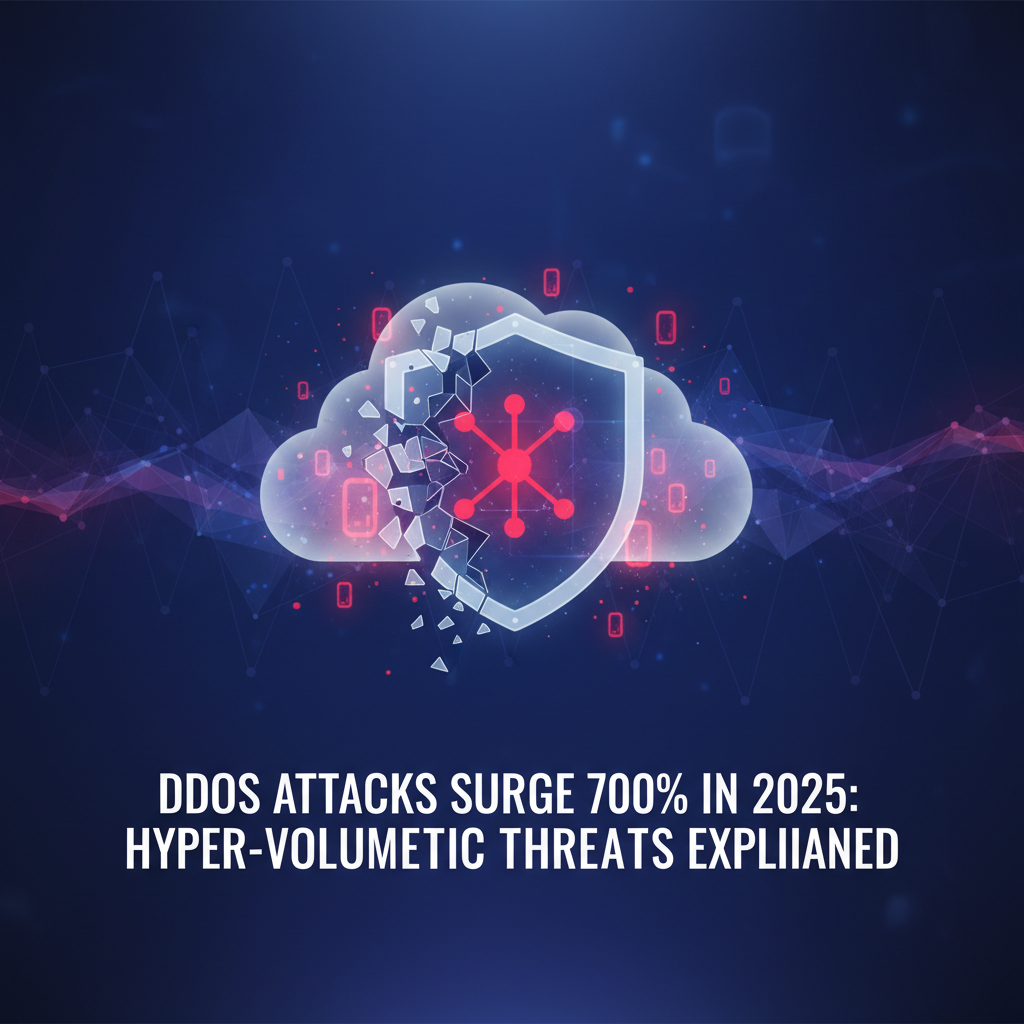
Over recent years, the landscape of cyber attacks has evolved dramatically. Attackers no longer depend on simple tactics; instead, sophisticated cybercrime operations now drive malicious activities, requiring advanced information security and robust digital defense strategies. Recent high-profile events, such as a record-setting distributed denial-of-service (DDoS) attack peaking at 31.4 terabits per second and the rise of advanced session token theft techniques, highlight how attackers leverage tools previously reserved for legitimate enterprises.
This evolution is highly relevant for Israeli businesses, from banks to hospitals, which are increasingly targeted as part of broader regional cyber dynamics. Automation providers like does.center in Israel are focusing on enhancing defense mechanisms that support adaptive cybersecurity strategies to meet these complex threats.
The New Scale of Modern Cyber Attacks
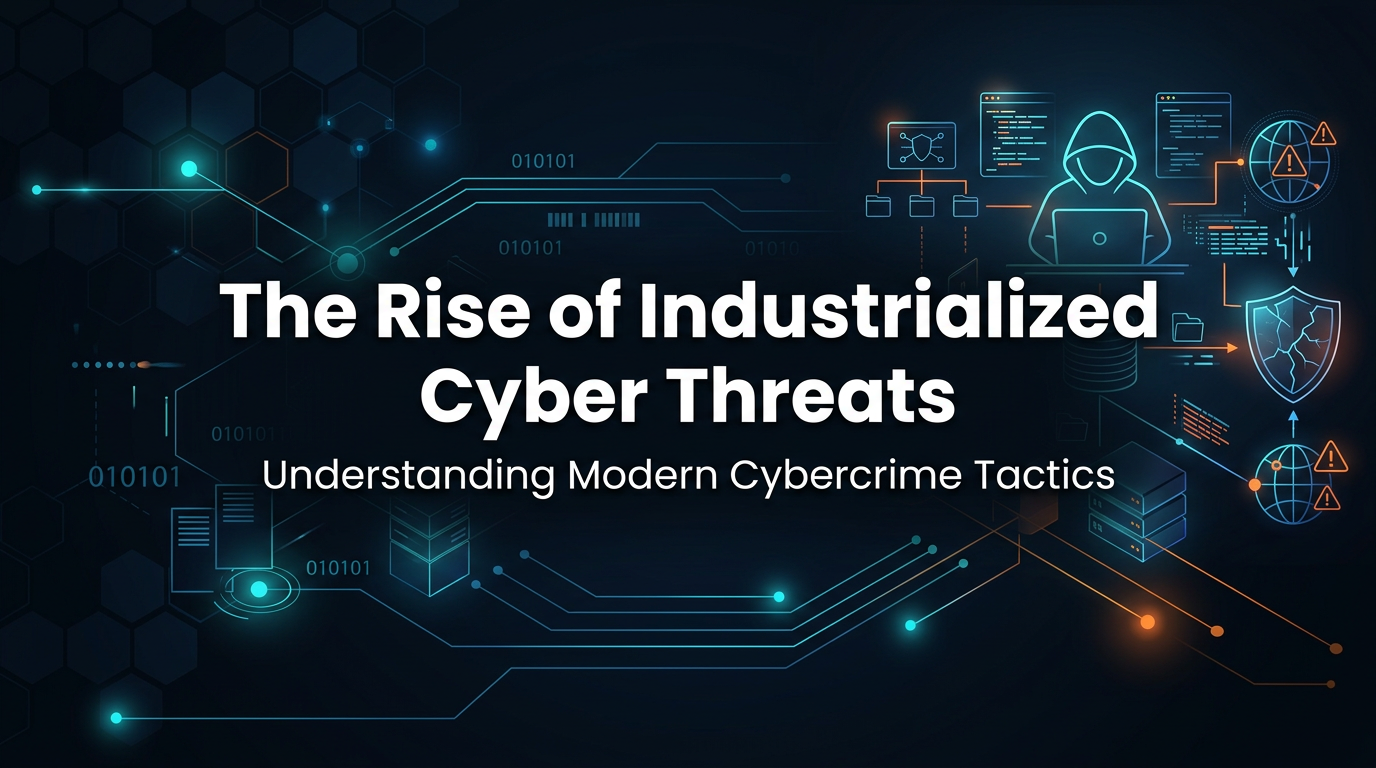
Experts refer to this shift as the industrialization of cyber attacks. Unlike traditional methods that focused on quick exploits, modern cybercrime involves prolonged, resource-rich campaigns that demand a holistic approach to information security. blurring the lines between criminal and state-sponsored operations. This shift is qualitative, reflecting unprecedented scale, complexity, and ingenuity in digital assaults.
Record-Breaking DDoS Attacks
The 31.4 Tbps DDoS attack exemplifies the new threat scale. Historically, DDoS attacks disrupted services by overwhelming networks. Today, their expanded scale can cripple critical infrastructure, cause substantial economic damage, and force enterprises to rethink defense frameworks. Organizations require robust, adaptive systems capable of detecting, mitigating, and absorbing such disruptions. Solutions like distributed cloud security, advanced traffic filtering, and partnerships with Internet service providers are now essential.
Israeli infrastructure and enterprises also face these evolving risks, encouraging localized innovation. Automation technologies, including those offered by does.center, help enable continuous adaptive defenses important for mitigating large-scale DDoS events affecting national and regional networks.
Sophisticated Session Token Theft
Alongside DDoS threats, session token theft has grown as a subtle but dangerous intrusion method. Session tokens allow users to remain logged in, and stealing them enables attackers to impersonate users, accessing sensitive data and corporate secrets. This method bypasses traditional security. To counter such cyber attacks, businesses must invest in multi-factor authentication, AI-driven digital defense tools, and advanced information security protocols.
Israeli research institutions actively explore advanced detection methods to combat these cyber attacks, ensuring that local information security remains at the global forefront. Enterprises in Israel, including logistics companies and hospitals, recognize the importance of integrating automation platforms like those from does.center to enhance real-time monitoring and response capabilities.
Living off the XaaS: Exploiting Cloud Services
The phrase “living off the XaaS” captures how modern cyber attacks exploit cloud-based services, making high-level digital defense more critical than ever. While these services revolutionize IT management, they expose new vulnerabilities. Attackers co-opt legitimate enterprise service logic, making malicious activities appear as normal operations. For example, exploiting APIs of popular cloud services can allow data theft, malware spread, or network control under the guise of routine usage, complicating threat detection.
Adapting Business Defenses to the New Cyber Paradigm
Businesses must fundamentally reassess risk management frameworks. Traditional perimeter defenses like firewalls are insufficient alone. An integrated, continuous monitoring approach covering cloud environments and third-party audits is critical. Shifting toward zero-trust architectures enables dynamic adaptation to emerging threats in real time.
In Israel, this has spurred the adoption of dynamic automation tools that help manage complex cloud environments securely. Providers like does.center contribute to empowering organizations with automation that supports zero-trust principles and continuous adaptation.
Proactive Threat Intelligence and Automation
Organizations should incorporate threat intelligence and trend analysis proactively. Detecting unusual access patterns or anomalies in cloud services can help identify breaches early. Deploying machine learning algorithms to analyze network traffic patterns enhances detection of subtle deviations, particularly when combined with automated response systems, creating a formidable defense line.
Innovation in Cybersecurity Solutions
The evolving threat landscape fuels innovation in cybersecurity. Companies are developing AI-driven detection and response modules and secure API management tools tailored to modern enterprise needs. Many solutions use predictive analytics to forecast potential breaches, enabling businesses to allocate resources effectively, reduce downtime, and protect reputations.
Israeli innovation ecosystems and automation experts at does.center support such advancements, focusing on creating scalable and adaptive cybersecurity solutions that address industrialized cyber threats comprehensively.
Nation-State Cyber Operations and Collaboration
Nation-states increasingly engage in cyber operations targeting critical infrastructure, financial systems, and democratic processes, often intersecting with non-state actors. This blurs lines between criminal and political motives, raising geopolitical stakes. Collaboration across private sectors, government agencies, and experts is vital to combining insights and constructing unified defenses against complex threats.
The Strategic Importance of Information Security in Israel
In the current geopolitical climate, cyber attacks against Israeli infrastructure have become more frequent and sophisticated. For organizations in the region, information security is no longer just a technical requirement but a strategic necessity. By adopting advanced attack tactics analysis and automated digital defense tools, companies can stay one step ahead of threat actors. Leveraging platforms like does.center allows businesses to integrate automation into their security stack, ensuring that responses to cyber attacks are swift, accurate, and scalable.
The Role of Consumer Awareness
Individuals must understand these cyber dynamics. Though many users may not grasp advanced techniques like session token theft or the scale of DDoS attacks, these impact their personal data and service reliability. Educating consumers on cybersecurity best practices—such as strong passwords, multifactor authentication, and phishing awareness—is essential to broader digital safety.
Conclusion: Building Resilient Cybersecurity Strategies
The modern cyber threat era requires rethinking digital security. With threats reaching unprecedented scales and sophistication, organizations must adopt innovative, adaptive defenses. Recognizing how attackers “live off the XaaS” and exploit legitimate enterprise logic is critical. By investing in next-generation security, fostering cross-sector collaboration, and educating users continuously, we can create a safer digital environment that prioritizes resilience and innovation.
Future-Proofing Your Digital Defense
As cyber attacks continue to grow in complexity, the future of information security lies in predictive analytics and zero-trust frameworks. Organizations must transition from reactive patching to proactive threat hunting. Understanding the specific attack tactics used by modern syndicates—such as API exploitation and advanced DDoS—is vital. Implementing a layered digital defense that combines human expertise with AI-driven automation will be the benchmark for resilience in the coming years.