Modern Access Control System: Integrating Dynamic User Risk Scores for Adaptive Cybersecurity
Advanced Access Control through Dynamic User Risk Scoring
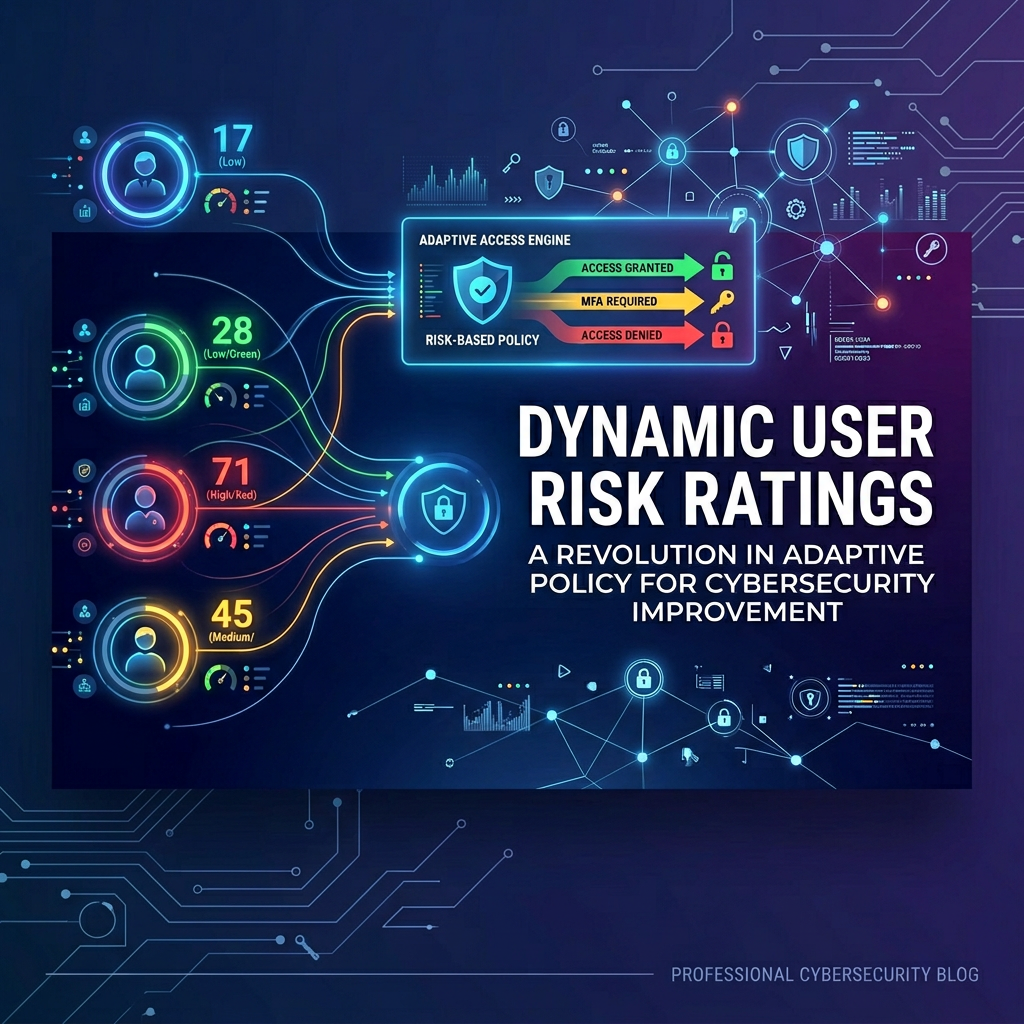
As organizations increasingly depend on digital infrastructure, implementing a robust Access Control System (מערכת בקרת גישה) is paramount for ensuring secure and seamless operations. Embedding dynamic User Risk Scores into a comprehensive Access Control System (מערכת בקרת גישה) represents a groundbreaking shift from traditional static permissions toward a more nuanced, behavior-driven security model that continuously evaluates risk. This evolution is particularly relevant for Israeli businesses across sectors such as banking, healthcare, and logistics, which are adopting these technologies to safeguard critical assets amidst growing cyber threats.
Modern Access Control System: Real-Time Behavior-Driven Security
Traditional security systems act like locked gates, granting or denying access based on fixed rules. In contrast, a modern Access Control System (מערכת בקרת גישה) adapts to user behavior in real time, using multiple signals—from internal employee activity to external threat intelligence—to assess each access attempt's trustworthiness. This enables organizations to detect evolving online threats almost instantaneously. Automation providers like Israel's does.center help enable these adaptive frameworks by integrating seamless risk scoring with enterprise security operations.
Core Components of a Modern Access Control System (מערכת בקרת גישה)
When selecting a modern Access Control System (מערכת בקרת גישה), organizations must look beyond simple permit/deny lists. A sophisticated system integrates identity management, behavior analytics, and automated response protocols. By centralizing these functions, the system can provide a holistic view of the security landscape, ensuring that every request to access sensitive databases (בסיסי נתונים) is vetted against current threat intelligence. This architectural approach not only bolsters information security (אבטחת מידע) but also ensures that the system can scale alongside the organization's growth in the SaaS and cloud era.
Continuous Risk Scoring and Adaptive Access Responses
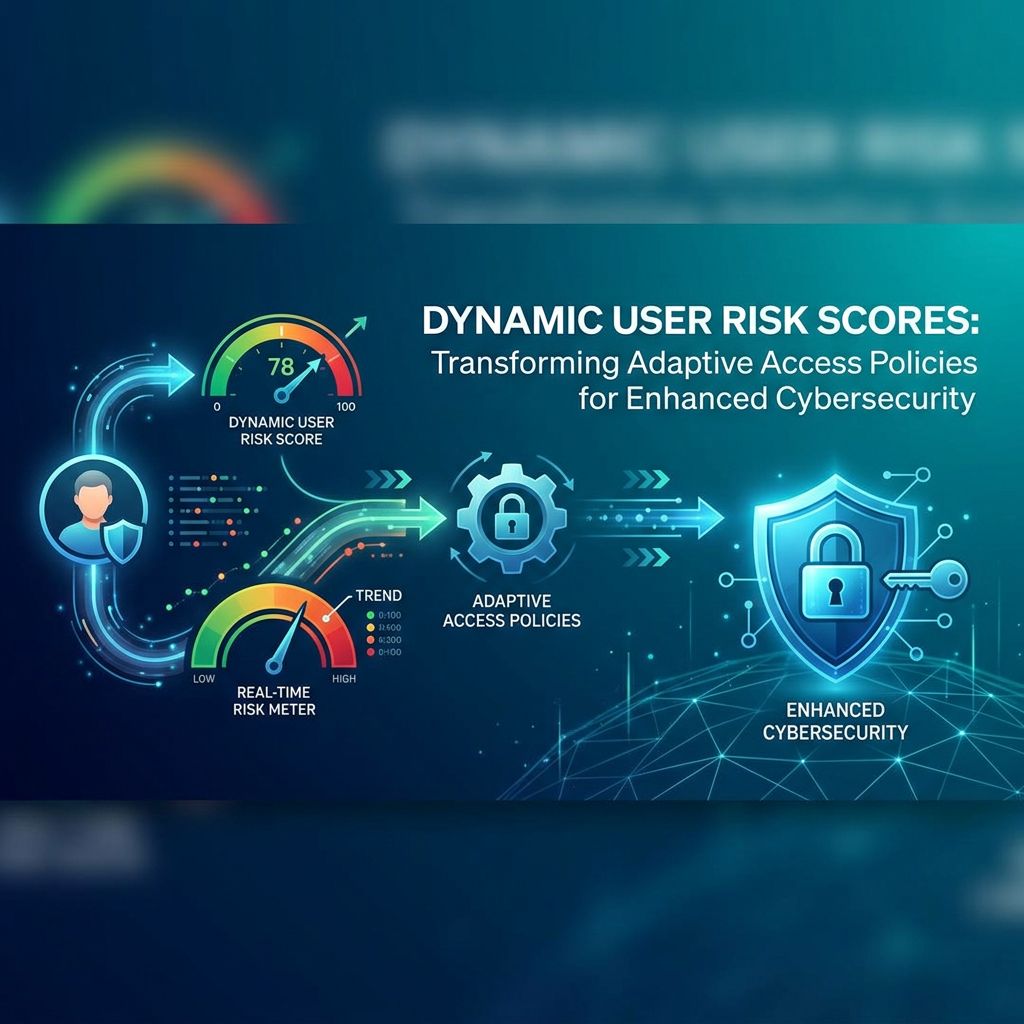
At the core of dynamic policies is a continuous scoring mechanism that assigns varying degrees of trust or caution rather than a binary yes-or-no permission. For example, an employee logging in from a regular location at typical times is deemed low risk, whereas unusual login patterns trigger automated responses like additional verification, throttling access, or notifying security teams. These adaptive measures maintain security without disrupting productivity.
Minimizing False Positives with Contextual Risk Evaluation
Static access rules often result in false positives by flagging legitimate user actions that deviate slightly from preset norms. Dynamic risk scoring mitigates this by contextualizing user behavior against broader datasets, balancing security needs with user convenience and reducing unnecessary access barriers. This balance is critical for Israeli hospitals and banks, where information security (אבטחת מידע) and service continuity must coexist harmoniously to protect sensitive patient and financial records.
Multi-Factor Analysis for Enhanced Threat Detection
Comprehensive risk assessment evaluates current user behavior against historical data, peer activity, and external cyber threat intelligence. This multi-layered approach can identify emerging threat patterns—such as brute-force attacks early—and automatically enact preventive security measures to protect systems.
Securing Third-Party Integrations with Dynamic Risk Scores
Third-party services often introduce security vulnerabilities. Dynamic User Risk Scores enable organizations to continuously assess external partners, applying risk-based restrictions or isolations when unexpected behaviors arise, ensuring the integrity and security of critical databases (בסיסי נתונים) within the organizational network. This creates a refined and adaptive trust model extending beyond internal systems, a capability increasingly important for Israeli logistics companies with global supply chains.
Protecting Critical Databases via an Advanced Access Control System
In the modern enterprise, databases (בסיסי נתונים) are the crown jewels of information assets. Implementing dynamic access control ensures that sensitive data remains shielded from both external breaches and internal misuse. By leveraging real-time risk scores, organizations can enforce 'least privilege' access—where users only gain entry to the specific data tables they need, and only when their risk profile is low. This granular level of control is essential for compliance with global and local regulations, providing a detailed audit trail of who accessed what and under what conditions. As threats evolve, these systems automatically tighten restrictions, making it nearly impossible for compromised credentials to be used for bulk data exfiltration.
Operational Efficiency Through Automated Risk-Based Access
Dynamic risk scoring automates threat detection and response, reducing the need for manual reviews of logs and suspicious behavior. Immediate adjustments help close vulnerability windows faster, functioning like an ever-alert digital gatekeeper that proactively defends against unauthorized access. Israeli automation specialists such as does.center support this transition by providing an integrated Access Control System (מערכת בקרת גישה) that streamlines risk scoring and protects sensitive databases (בסיסי נתונים). that streamline risk scoring processes and deploy the latest security technologies (טכנולוגיות אבטחה).
Achieving Compliance through Automated System Controls
Regulatory frameworks globally now demand more than just 'locked doors.' They require proof of monitoring and adaptive response. An advanced Access Control System (מערכת בקרת גישה) provides the necessary audit trails and reporting tools to satisfy stringent requirements like GDPR or SOC2. By linking risk scores directly to database access, companies can demonstrate a proactive posture in protecting sensitive assets, reducing the legal and financial risks associated with data breaches. This automation is a cornerstone of modern productivity, allowing security teams to focus on strategy rather than manual log monitoring.
Use Cases: Remote Work, Customer Portals, and Cloud Infrastructure
The rise of remote work increases the diversity of access points, requiring continuous monitoring to detect anomalies such as unusual login locations or timeframes. Service industries benefit by safeguarding sensitive portals with adaptive authentication steps. Tech companies managing complex cloud environments use dynamic scoring to monitor microservices and distributed systems, responding instantly to irregular activity and minimizing downtime.
Machine Learning and Predictive Security Enhancements
Incorporating machine learning improves risk score accuracy by learning from historical and collective user behavior patterns. Over time, the system evolves into a predictive tool that anticipates threats before they emerge—a critical advantage for enterprises handling large and diverse user populations, including those supported by Israeli research institutions advancing cybersecurity technologies.
Adopting Modern Security Technologies for Access Management
The landscape of security technologies (טכנולוגיות אבטחה) is rapidly shifting toward identity-centric models. Beyond simple passwords, modern access control utilizes biometric signals, device health checks, and geographic fencing. Integrating these diverse signals into a centralized risk-scoring engine allows for a unified security posture across on-premise and cloud environments. For Israeli firms operating globally, this means maintaining a consistent security standard regardless of where an employee is logging in from. By investing in these automated frameworks, companies reduce the manual burden on IT teams while significantly hardening their perimeter against the sophisticated social engineering and ransomware attacks prevalent today.
Implementation Considerations and User Transparency
Careful calibration of risk algorithms is essential to accommodate diverse user behaviors and unique organizational contexts. Transparency regarding score determination fosters user trust and encourages cooperation with verification procedures when flagged.
The Strategic Imperative of Dynamic User Risk Scoring
As digital environments become increasingly complex, integrating dynamic User Risk Scores into access policies is vital for advanced, context-aware cybersecurity. This strategy enables automated, real-time risk mitigation, improves security posture, and supports innovation through seamless access management.
Conclusion: Embracing Adaptive, Behavior-Centric Security Models
Embedding dynamic risk scoring within access control frameworks offers a robust, real-time response mechanism to evolving cyber threats. Benefits include reduced false positives, improved operational workflows, and enhanced predictive insights, making this approach a strategic necessity for organizations aiming to achieve digital resilience and safeguard sensitive data without compromising user experience.