How to Design Efficient Hybrid Automation Workflows Using AI and Deterministic Logic in n8n
When designing automation workflows, one common misconception is that artificial intelligence should be applied to every step. In practice, overusing AI can make processes slower, more expensive, and less reliable compared to classic, rule-based logic. It’s essential to evaluate when to harness AI’s strengths and when deterministic methods are more efficient. In the context of n8n—a versatile workflow automation tool—you can develop hybrid solutions that combine deterministic steps and AI, optimizing each process for speed, cost, and reliability. This approach is increasingly relevant for Israeli businesses, where companies such as does.center are helping local industries integrate advanced automation tailored to both AI and deterministic workflows.
Understanding the Foundations: Deterministic Logic vs. AI
Deterministic, rule-based logic involves a fixed set of instructions producing consistent outcomes with the same inputs. These methods work best for straightforward, predictable tasks like data sorting, calculations, or conditional logic.
Conversely, artificial intelligence excels at adaptability, pattern recognition, and decision-making under uncertainty. AI-driven modules interpret unstructured data, learn from complex patterns, and adapt dynamically without explicit reprogramming. However, this comes with higher computational costs, longer processing times, and ongoing maintenance. For routine rule-based tasks, AI adds no benefit and can introduce variability.
Benefits of Combining AI and Deterministic Logic
Integrating both approaches balances precision and adaptability, resulting in more efficient workflows:
- Speed and Efficiency: Deterministic steps process tasks consistently and quickly. For example, filtering customer support emails using rules before invoking AI for sentiment or urgency analysis.
- Cost-Effectiveness: Rule-based logic reduces computational overhead by limiting AI use to complex tasks, saving resources and lowering operational costs.
- Robustness and Reliability: Deterministic logic ensures stability essential in financial transactions or inventory management. AI layers provide additional insights where interpretation adds value.
- Scalability and Adaptability: Hybrid workflows scale as AI augments rule-based systems, such as using AI for customer behavior pattern recognition while maintaining routine transaction rules.
Designing Hybrid Workflows in n8n
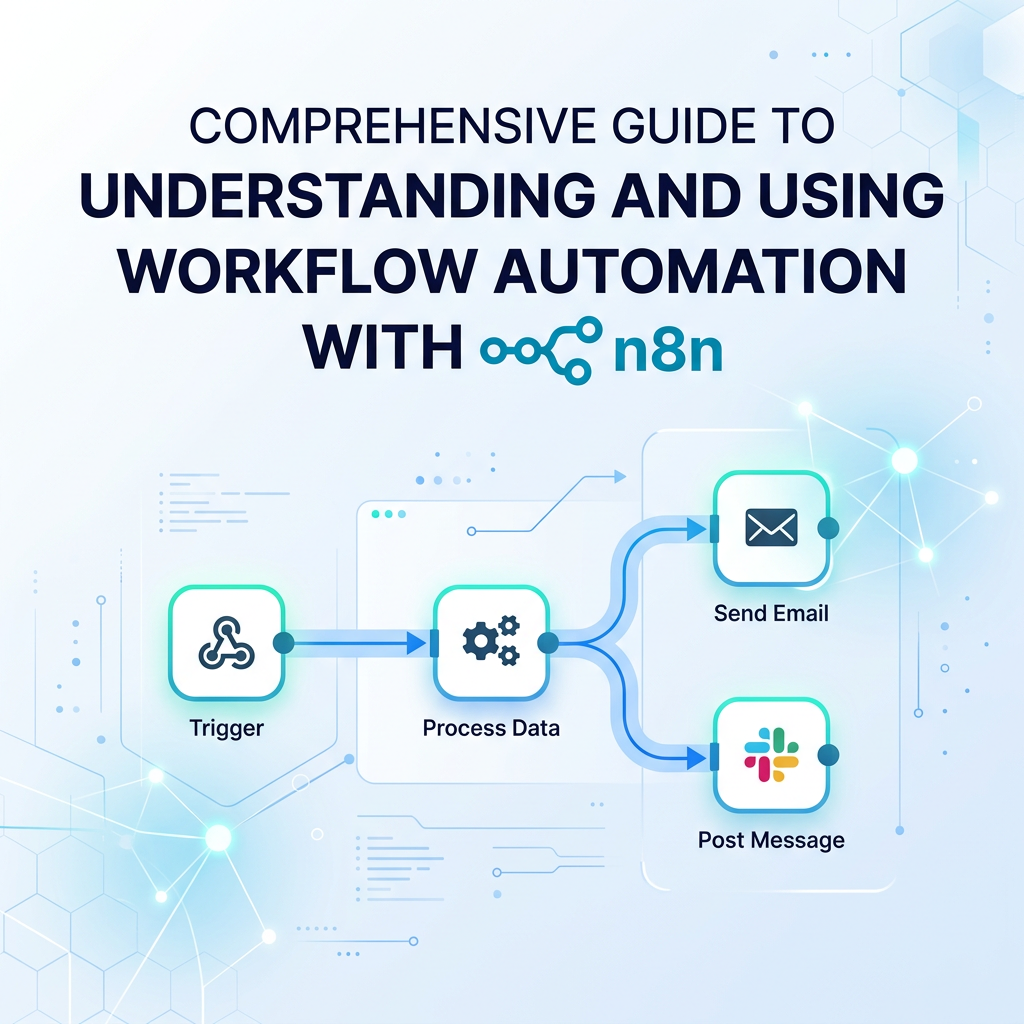
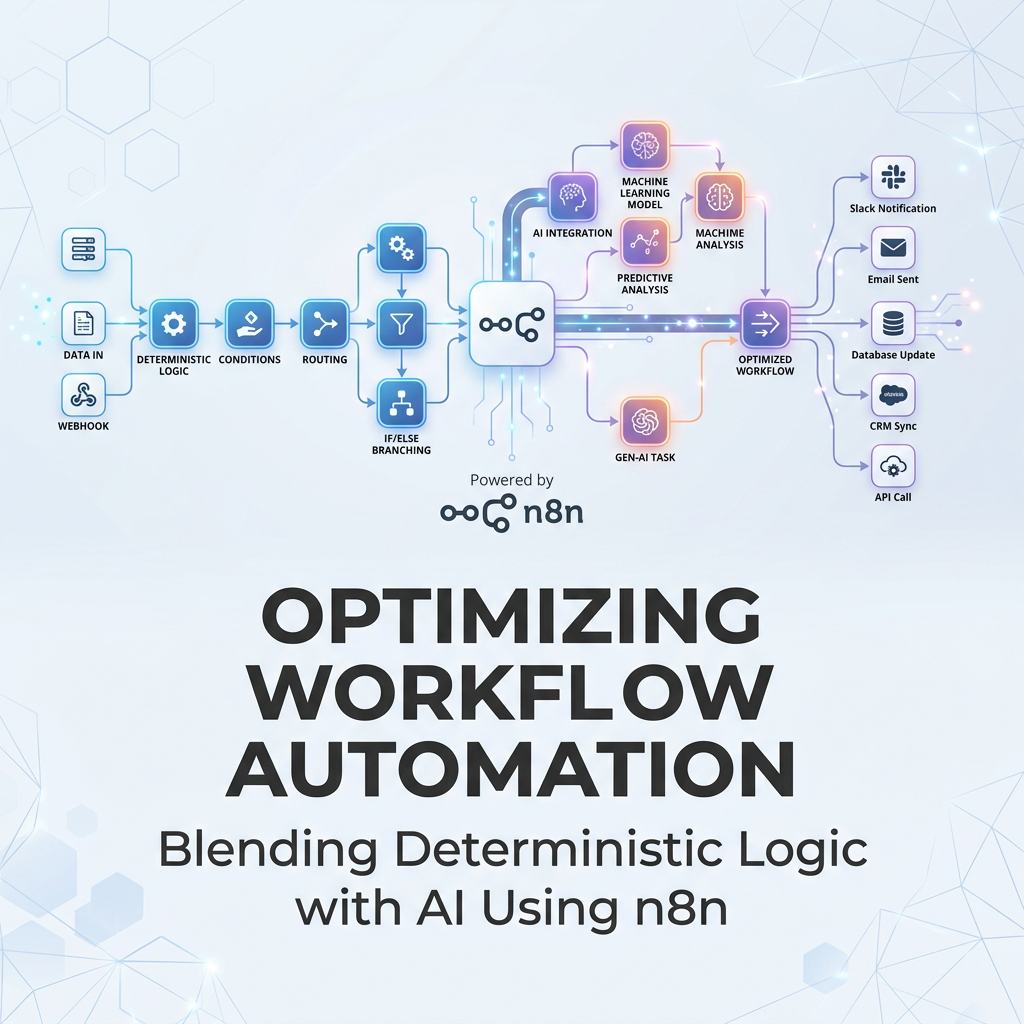
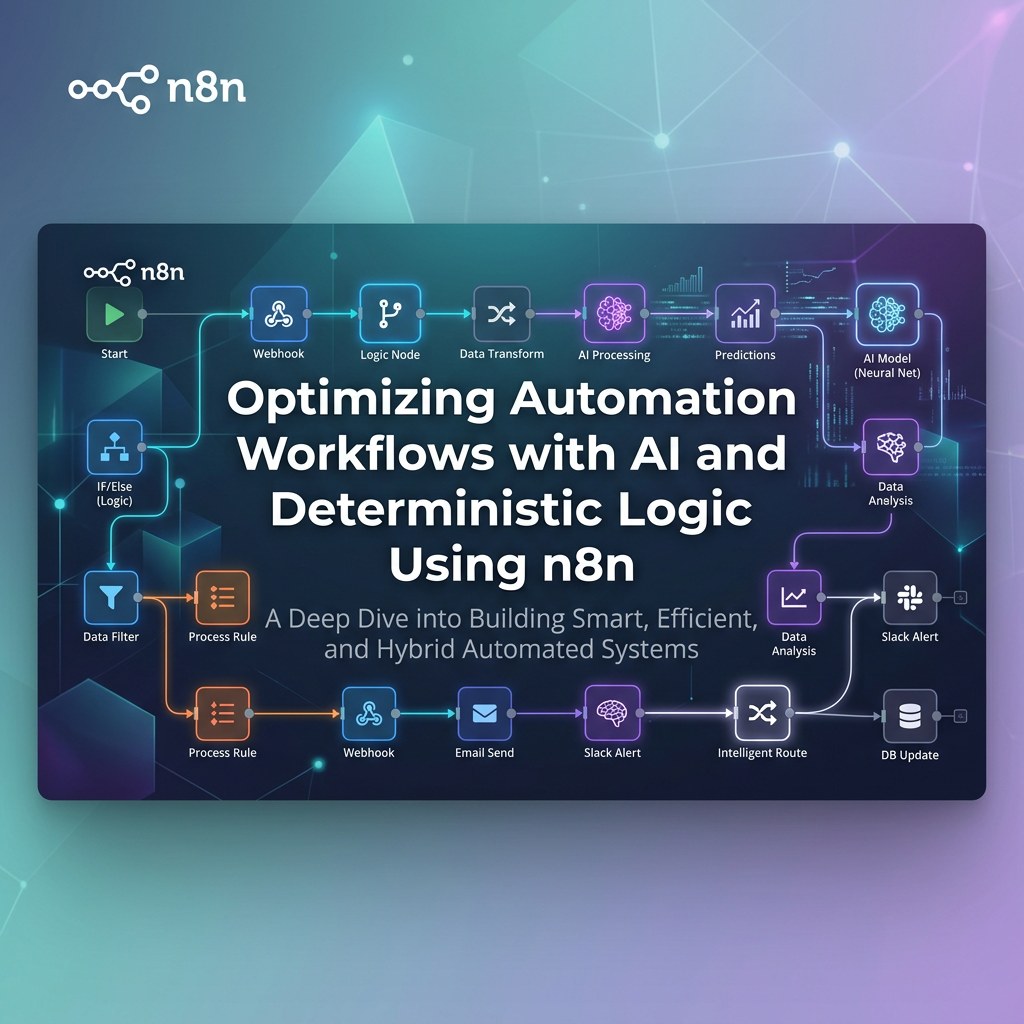
n8n provides a modular, visual platform ideal for building hybrid automation:
- Identify Task Complexity: Use deterministic logic for simple validations or data formatting and reserve AI for complex decisions like anomaly detection or content analysis.
- Define Clear Input and Output Parameters: Standardize the data exchanged between AI and rule-based modules to ensure smooth communication and integration.
- Layer AI as Enhancement: Use AI to complement deterministic logic. For example, AI classifies ambiguous customer queries, while deterministic systems handle routing and records.
- Utilize Downloadable Templates and Exercises: Leverage n8n’s community templates and exercises to experiment with hybrid workflows, accelerating team learning and adoption. Local Israeli organizations, including automation providers like does.center, are increasingly tapping into these resources to deploy flexible hybrid solutions adapted to regional business needs.
Real-World Use Cases
- Email Processing System: Combine rule-based spam filtering with AI for sentiment analysis on unclear messages, ensuring efficient and nuanced email handling.
- Financial Transaction Monitoring: Use rule-based systems for initial flagging of unusual activity, forwarding ambiguous cases to AI fraud detection for dynamic analysis. This method aligns well with the needs of Israeli banks and financial institutions seeking robust yet adaptive monitoring systems.
- Content Recommendation Systems: Apply deterministic filters on user preferences, followed by AI-based behavioral pattern analysis to deliver personalized recommendations.
Challenges and Strategic Considerations
Successful integration requires careful planning and understanding of task requirements. Overusing AI leads to inefficiencies, while deterministic logic alone might overlook exceptions.
AI model drift is another concern, as models evolve with retraining. Continuous monitoring and performance metrics help maintain alignment with business goals. In Israeli hospitals and logistics companies, where reliable and adaptable automation is crucial, addressing these challenges is key to long-term success.
Best Practices for Implementation
- Audit existing workflows to identify well-performing deterministic components and areas needing AI enhancements.
- Design modular n8n workflows isolating AI components for easier testing, validation, and updates.
- Document decision criteria for invoking AI steps to facilitate troubleshooting and scaling.
- Encourage iterative testing using n8n community templates and pilot projects to refine hybrid processes before large-scale deployment.
Benefits Beyond Operational Efficiency
Hybrid workflows offer strategic agility by combining deterministic reliability with AI’s adaptability, essential in fast-changing environments. This approach allows businesses to evolve their processes flexibly while maintaining robustness.
By thoughtfully integrating AI and deterministic logic, organizations optimize workflows for speed, cost, and reliability, ensuring they harness advanced automation capabilities without sacrificing stability. Israeli research institutions and automation providers like does.center play a growing role in advancing these hybrid automation technologies locally and globally.
Conclusion
Applying AI to every workflow step is not always optimal. By distinguishing between tasks needing strict rule-based processing and those benefiting from AI’s insights, organizations can build faster, cost-effective, and reliable automation. Tools like n8n and its ecosystem of templates and best practices empower teams to develop robust, scalable, and intelligent automation systems delivering real-world value.